US sends thousands more troops to Middle East - The Washington Post
Risk sentiment takes a hit on this report from The Washington Post
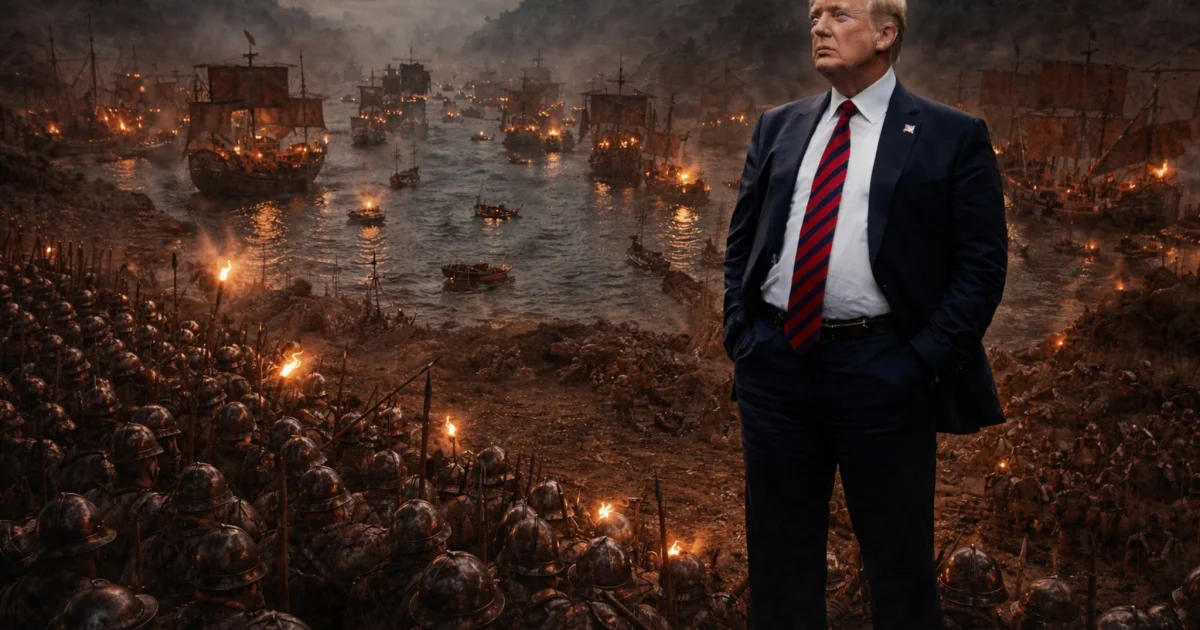
The United States is significantly expanding its military presence in the Middle East, with the Pentagon deploying thousands of additional troops, including sailors and Marines, in the coming days. The move is part of a broader strategy by Donald Trump’s administration to intensify pressure on Iran and push Tehran toward a negotiated agreement aimed at ending weeks of escalating conflict.
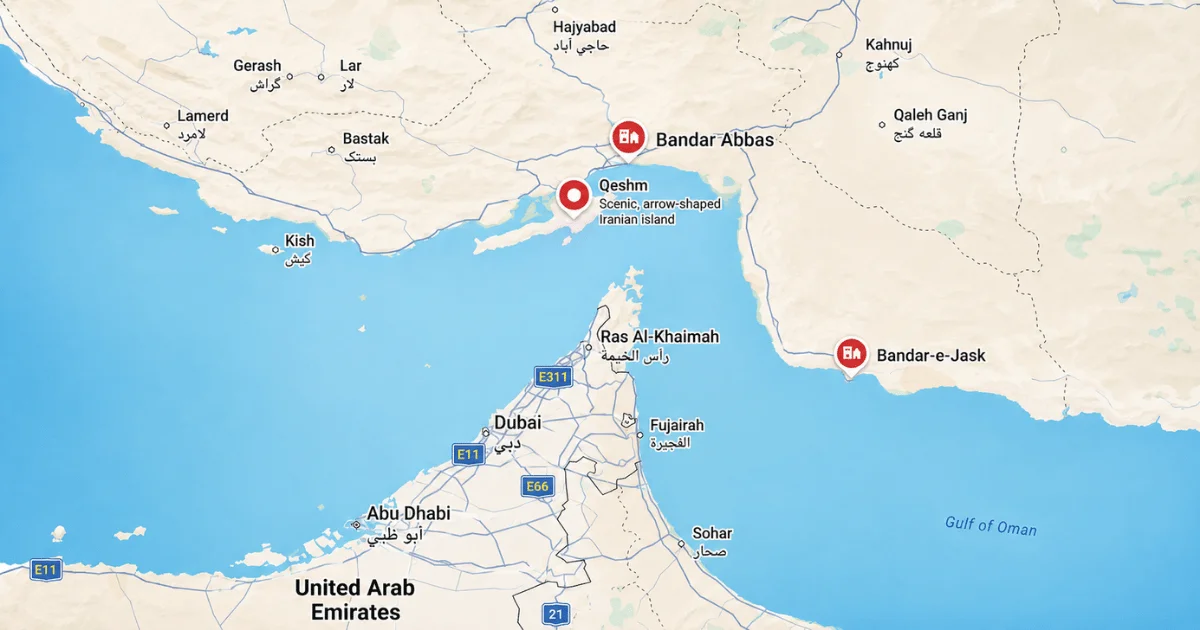
According to U.S. officials, the deployment will reinforce naval and air capabilities across key strategic zones, particularly around vital maritime corridors such as the Strait of Hormuz. The objective is to strengthen enforcement of a potential maritime blockade, limiting Iran’s ability to export oil and project regional influence. Additional warships, surveillance assets, and logistical support units are expected to accompany the troop surge, signaling a shift toward a more assertive containment posture.
The buildup comes amid concerns within Washington that a fragile ceasefire could collapse at any moment. Defense planners are reportedly preparing contingency options that include targeted airstrikes on Iranian-linked positions and, if necessary, limited ground operations. While officials emphasize that diplomacy remains the preferred path, the military escalation is designed to provide leverage in any negotiations and deter further hostilities.
Regional allies have been placed on heightened alert, with U.S. bases across the Gulf increasing readiness levels. The move has also raised concerns among global markets, as any disruption in the region—especially around energy transit routes—could trigger volatility in oil prices and broader financial markets.
Tehran has yet to formally respond to the latest deployment, but previous statements from Iranian officials have warned that any attempt to impose a blockade or expand military operations would be met with “decisive” retaliation, raising the risk of a wider regional confrontation.


0 Comments