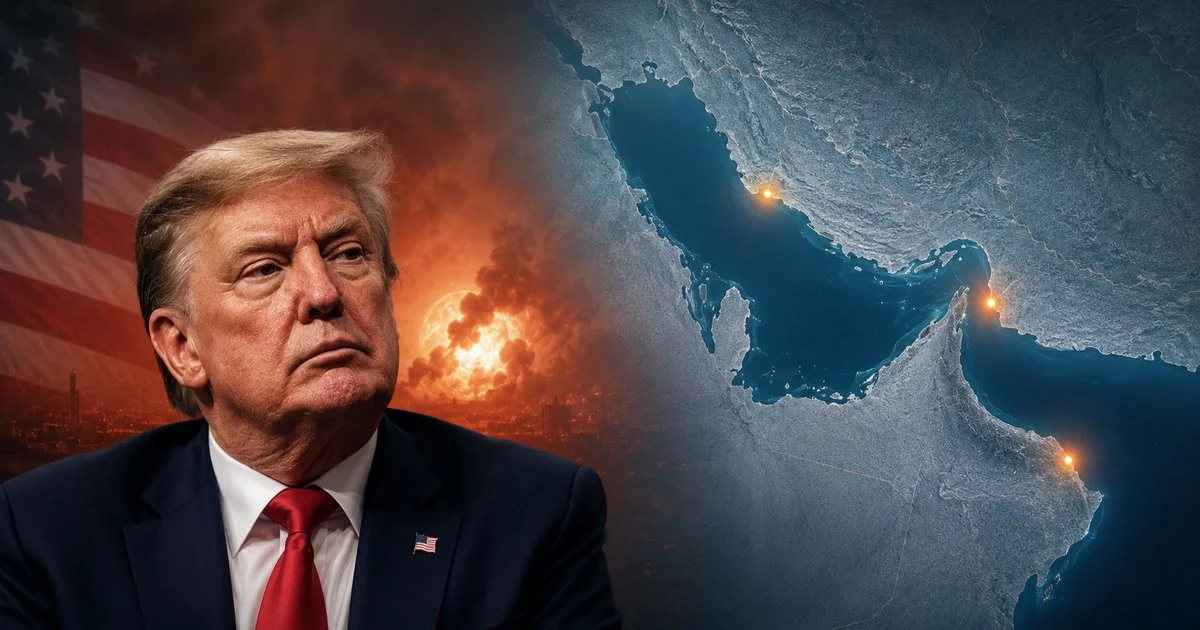
Explosions Reported Near Strait of Hormuz Raise Fresh Concerns as Markets Watch for Signs of Escalation
Fresh reports of loud explosions near southern Iranian cities bordering the Strait of Hormuz have created new uncertainty around the Middle East situation, raising questions over whether the fragile ceasefire environment is facing a new test.
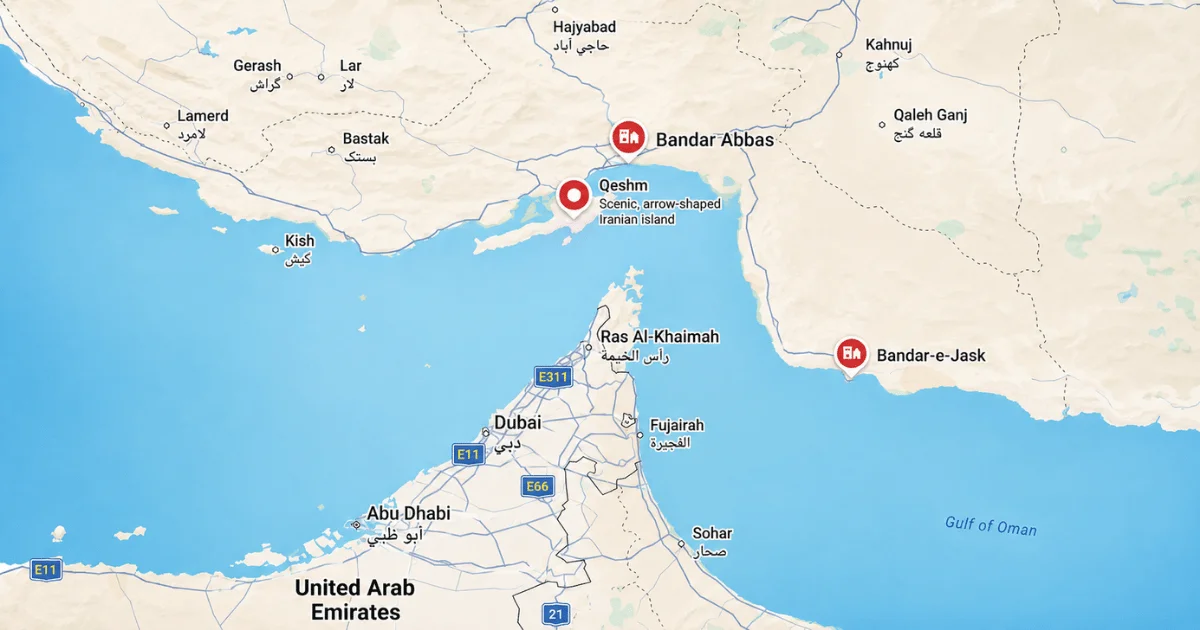
Early reports indicated explosions in areas including Bandar Abbas, Sirik, and nearby coastal regions connected to one of the world's most strategically important shipping routes. Social media discussions suggested possible military activity involving Iranian naval assets and a response involving U.S. forces. However, important details remain unclear and several reports are still unconfirmed.
Recent weeks had seen improving sentiment after diplomatic discussions between Washington and Tehran showed signs of progress. Markets had started reducing geopolitical risk pricing as investors anticipated the possibility of a broader agreement and reduced tensions around the Gulf region.
The latest reports have now introduced uncertainty back into markets.
Why Markets Care
The Strait of Hormuz remains one of the most important energy routes in the world, handling a significant portion of global oil exports.
Any signs of renewed conflict can quickly affect:
- Oil prices
- Gold demand
- U.S. Dollar strength
- Global stock market sentiment
- Risk-sensitive currencies
Markets had recently moved toward a risk-on environment after hopes grew around possible progress in U.S.-Iran negotiations. Any confirmed escalation could reverse that trend rapidly.
Current Market Focus
Traders are now watching several factors closely:
- Whether the reported incidents receive official confirmation
- Updates from U.S. and Iranian authorities
- Any changes regarding shipping activity in the Strait of Hormuz
- Oil price reactions and broader market sentiment
At the moment, markets appear to be balancing diplomatic optimism against possible security risks.
BonusPips View
The current situation remains highly fluid.
Markets recently shifted toward optimism and began reducing the geopolitical premium built into oil and safe-haven assets. However, if military activity expands beyond isolated incidents, safe-haven demand could quickly return.
For now, traders should expect headline-driven volatility rather than strong long-term directional moves until more details become available.

0 Comments