Gold Continues to Tumble Even as Oil Rises on Wave After Wave of US-Iran Strikes
Gold continues to move lower even as the U.S.-Iran conflict escalates and oil prices rise on fears of a wider regional crisis. This is an important market signal because gold would normally attract strong safe-haven demand during military escalation near the Strait of Hormuz.
But the current market reaction is different.
Oil is reacting more directly to supply-risk fears, while gold remains under pressure from a strong U.S. Dollar, rising Treasury yields and growing rate-hike expectations. This shows that investors are not treating all safe-haven assets the same way.
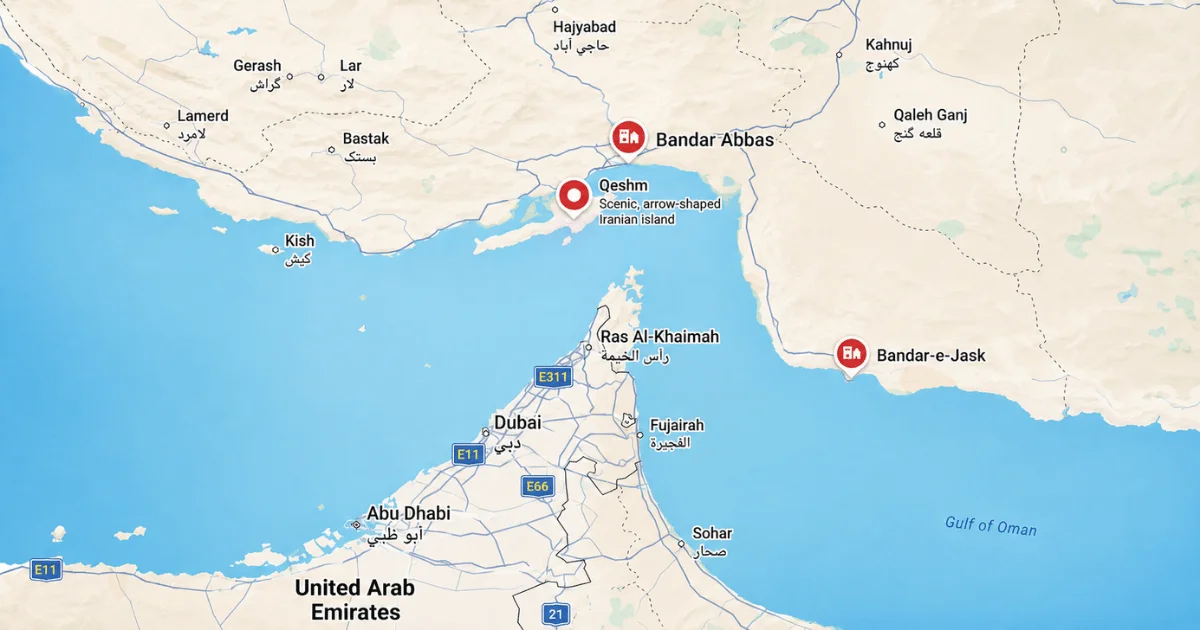
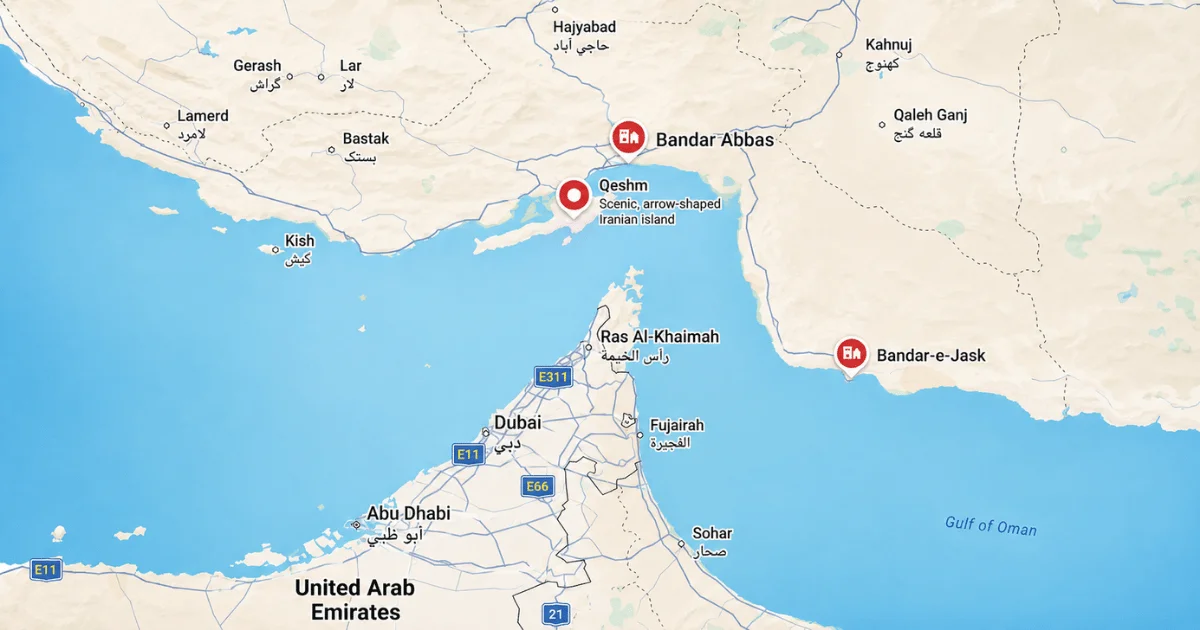
The latest reports suggest that the United States has launched repeated waves of strikes on Iran, while Iran has reportedly fired ballistic missiles in response. There are also unconfirmed reports of cruise missiles launched from Bandar Abbas toward the Persian Gulf and Houthi missiles launched toward Saudi Arabia.
This keeps energy markets highly nervous, but gold is still struggling to find strong buyers.
What Happened?
The escalation began after reports that a U.S. Apache helicopter was downed over the Strait of Hormuz. U.S. forces then responded with strikes on Iranian targets in southern Iran.
The situation continued to worsen as reports pointed to multiple waves of U.S. attacks.
The third wave reportedly targeted areas including Bandar Abbas, Jask, Qeshm and Sirik. These locations are important because they sit close to the Strait of Hormuz and are linked to Iranian military and naval operations around one of the world’s most important energy shipping routes.
Iran then reportedly fired ballistic missiles from Isfahan in apparent retaliation.
This pushed markets into a more dangerous phase. The conflict is no longer limited to warnings and diplomatic pressure. It now includes repeated strikes and retaliatory missile activity.
Oil Rises as Hormuz Risk Returns
Oil has risen because the conflict is directly connected to the Strait of Hormuz.
This waterway is critical for global crude oil and LNG flows. Any threat to shipping, ports, tankers, military assets or Gulf energy infrastructure can quickly increase the geopolitical premium in crude oil.
The market is now pricing the risk that the situation could move from limited military exchanges to a broader regional disruption.
If Iran targets shipping routes, Gulf infrastructure, Saudi assets, UAE facilities or U.S. military positions, oil could move sharply higher.
This is why oil is reacting more strongly than gold right now.
For oil traders, the question is simple:
Will the conflict remain controlled, or will it start affecting energy flows?
If the market believes energy flows are at risk, oil can continue rising even if global demand concerns remain in the background.
Why Gold Is Not Following Oil Higher
Gold is not reacting the same way because the market is focused heavily on U.S. rate expectations.
Gold normally benefits from geopolitical fear, but it is also very sensitive to the U.S. Dollar and Treasury yields. When yields rise, gold becomes less attractive because it does not pay interest.
At the moment, the Dollar remains supported by strong U.S. data and expectations that the Federal Reserve may stay hawkish. If inflation remains sticky, traders may continue pricing higher-for-longer rates or even renewed rate-hike risk.
That is negative for gold.
So the current market has two opposing forces:
War headlines are supportive for gold.
Dollar strength and higher yields are bearish for gold.
Right now, the bearish force is stronger.
Why This Market Reaction Is Important
The fact that oil is rising while gold continues to tumble tells us that investors are pricing the conflict mainly as an energy-supply risk, not yet as a full global panic event.
If markets were in full panic mode, gold would likely be rising more strongly.
Instead, traders are buying oil because Hormuz and Gulf supply risk are directly affected, but they are not aggressively buying gold because the Dollar and yields remain strong.
This means the market is still treating the conflict as serious but not yet uncontrolled.
That can change quickly.
If the conflict expands further, gold could suddenly catch a bid. But until that happens, gold may remain pressured by macro conditions.
Dollar Strength Remains the Main Problem for Gold
The U.S. Dollar remains one of the biggest reasons gold is weak.
The Dollar is supported by two major themes.
First, geopolitical uncertainty can create safe-haven demand for the Dollar.
Second, stronger U.S. data and sticky inflation expectations can keep the Federal Reserve hawkish.
This gives the Dollar support from both risk sentiment and monetary policy.
A strong Dollar usually pressures gold because it makes gold more expensive for foreign buyers. It also reduces the appeal of gold compared with U.S. yield-bearing assets.
Unless the Dollar weakens, gold may struggle to build a strong recovery.
CPI and Fed Expectations Are Now Critical
The next major driver for gold will be U.S. inflation data.
If CPI comes in hot, markets may price a more hawkish Fed stance. That could push Treasury yields higher and create more pressure on gold.
In that case, even more war headlines may not be enough to stop gold from falling unless the conflict becomes much larger.
If CPI comes softer than expected, gold may finally get relief. Lower yields and a weaker Dollar could allow safe-haven demand to return.
This makes CPI very important.
Gold is not only trading on war headlines. It is also trading on the Fed, inflation, yields and the Dollar.
Oil Can Stay Supported Even if Gold Falls
Oil and gold may continue to move differently.
Oil can rise if traders fear supply disruption, even if the Dollar is strong.
Gold can fall if yields rise, even if geopolitical tension remains high.
This divergence is important for traders.
It means the market is separating commodity risk into two different categories:
Oil is trading the physical risk of supply disruption.
Gold is trading the financial risk of yields, the Dollar and Fed policy.
That is why oil can rise while gold continues to tumble.
What Could Change Gold’s Direction?
Gold can still reverse sharply if geopolitical risk moves to a higher level.
A stronger gold recovery may happen if:
Iran launches a larger retaliation
U.S. strikes expand further
Hormuz shipping is disrupted
Oil spikes aggressively higher
Equity markets enter panic mode
Treasury yields fall on safe-haven bond buying
The Dollar weakens after softer U.S. data
Gold needs either a major fear event or a softer U.S. rate outlook to change direction.
Without one of these triggers, rallies may remain limited.
What Traders Should Watch Next
The market should now watch three key areas.
First, the Strait of Hormuz. Any disruption to shipping lanes could push oil higher and increase safe-haven demand.
Second, Iran’s next response. If ballistic missile activity expands or regional proxies become more active, risk sentiment could weaken sharply.
Third, U.S. inflation data. A hot CPI reading may strengthen the Dollar and pressure gold further. A soft CPI reading may help gold stabilize.
These three factors will decide whether gold continues lower or finally starts to recover.
BonusPips View
Gold is still under pressure even though the U.S.-Iran conflict is escalating and oil prices are rising. This shows that the market is currently giving more weight to the U.S. Dollar, Treasury yields and Fed expectations than to safe-haven demand.
Oil is reacting directly to Hormuz and supply-risk fears. Gold is reacting more to monetary pressure.
That difference is very important.
If the conflict stays limited, oil may remain supported but gold can continue to struggle under a strong Dollar. But if the conflict spreads into a wider regional retaliation cycle, gold could reverse sharply as investors move toward safety.
For now, the key message is simple:
Oil is rising because the market fears supply disruption.
Gold is falling because the market fears higher U.S. rates and a stronger Dollar.
Until yields fall or geopolitical fear becomes extreme, gold may remain vulnerable on rallies. But with missiles, repeated strikes and Hormuz risk now in play, traders should remain careful because the direction can change very quickly.

0 Comments