
US-Iran Tensions Deepen as Markets Struggle to Price War and Peace at the Same Time
Markets are facing another highly confusing session as the U.S.-Iran conflict moves through two opposite narratives at the same time.
On one side, Washington continues to suggest that peace talks are still alive and that a deal remains possible. On the other side, U.S. forces have now carried out strikes inside southern Iran after the reported downing of a U.S. Army Apache helicopter over the Strait of Hormuz.
This is exactly why markets are struggling to price the situation clearly.
The diplomatic channel is not dead, but military activity is rising. That combination creates a very unstable environment for oil, gold, the U.S. Dollar, equities and risk-sensitive currencies.
Chronology of the Latest Developments
The first major development came after reports that a U.S. Army AH-64 Apache helicopter was downed over the Strait of Hormuz. The aircraft was reportedly brought down by an Iranian one-way attack drone while operating in the region.
The two crew members were later rescued and reported to be stable, but the incident immediately raised the risk of a direct U.S. response.
After that, U.S. Central Command confirmed self-defense strikes against targets inside southern Iran. The strikes reportedly began around 5pm ET and were ordered by President Trump in response to the helicopter incident.
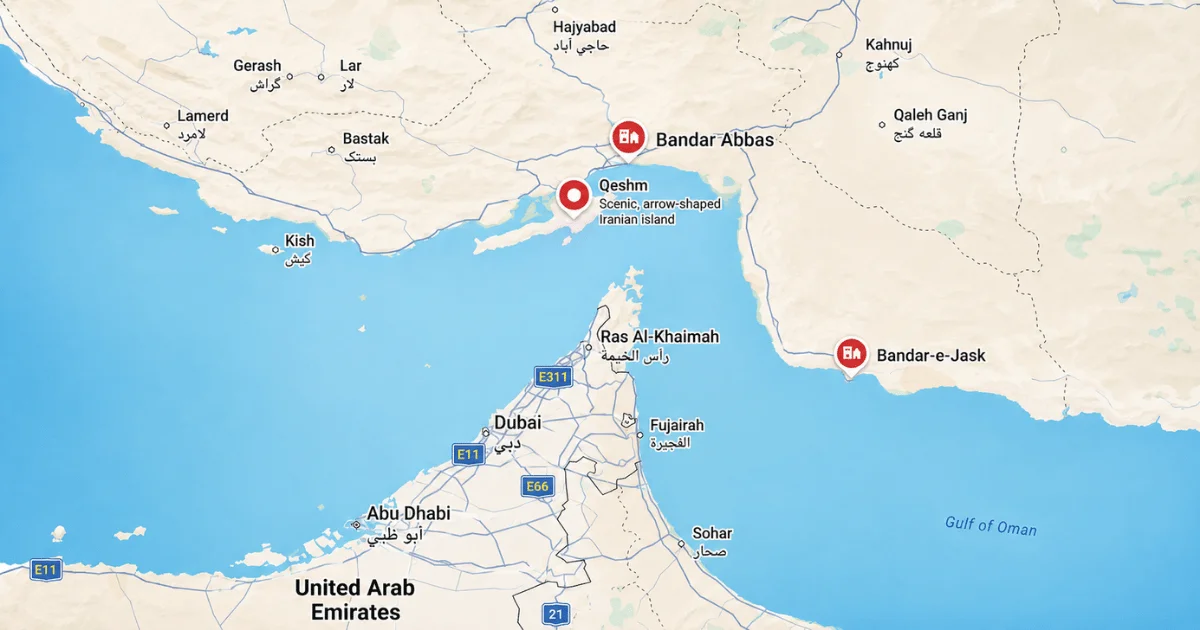
Soon after, reports emerged of multiple explosions in southern Iran, including around Sirik Port, Qeshm Island and Bandar Abbas. These areas are important because they sit close to the Strait of Hormuz, one of the most critical energy shipping routes in the world.
The next stage of the story was even more confusing for markets.
U.S. officials described strikes on Iranian air-defense and radar systems as a warning shot rather than a move designed to end negotiations. Washington’s message was that the military response was meant to send a signal, while peace talks could still continue.
Markets usually prefer clear direction. This was not clear.
The U.S. was striking Iranian territory while also saying that a deal could still happen.
Iran then responded with tougher language. Foreign Minister Abbas Araqchi warned that U.S. forces should leave the region and said Iran would not leave attacks or threats unanswered.
This raised the risk that Iran may respond directly or through regional channels, keeping the market focused on possible retaliation.
Why Markets Are Confused
The current situation has two opposing forces.
The first force is diplomacy. If talks continue and both sides still want a deal, markets may try to price lower geopolitical risk. That would normally pressure oil, reduce safe-haven demand, and support risk assets.
The second force is escalation. Direct strikes, air-defense attacks, drone incidents and Iranian warnings all point toward rising military risk. That would normally support oil, gold, and the U.S. Dollar while hurting equities and risk currencies.
Both forces are active at the same time.
This is why price action can become very messy. Traders may react positively to peace headlines, only to reverse quickly when fresh military headlines appear.
Where We Are Now
At this stage, the conflict is not in a full diplomatic breakdown, but it is also not moving smoothly toward peace.
Washington appears to be trying to maintain a controlled escalation strategy. The U.S. wants to respond militarily to attacks on its forces, but it also wants to keep the negotiation channel open.
Iran appears to be rejecting the idea that U.S. strikes can be treated as limited or symbolic. Tehran’s warning suggests that it may feel pressure to respond in order to show strength.
This creates a dangerous middle ground.
The market is no longer just asking whether there will be a deal. It is now asking whether both sides can continue talking while also exchanging military action.
That is much harder for investors to price.
Why the Strait of Hormuz Matters
The Strait of Hormuz remains the centre of market risk.
Before the conflict, the Strait handled a major share of global crude oil and LNG movement. Any disruption there can quickly affect energy prices, shipping costs, inflation expectations and global risk sentiment.
If the situation around Hormuz worsens, oil can rise sharply because traders will price in supply risk.
If the Strait starts reopening or shipping activity improves, oil can lose geopolitical premium quickly.
This is why every headline around Bandar Abbas, Qeshm, Sirik and Hormuz matters.
These are not just military locations. They are directly linked to global energy risk.
Market Impact: Oil
Oil is likely to remain highly sensitive.
If Iran responds or if the U.S. expands strikes, oil could move higher as traders price in a stronger supply-risk premium.
If talks continue and both sides avoid further escalation, oil could stabilize or pull back.
However, as long as Hormuz remains restricted or uncertain, oil may struggle to fully remove the risk premium.
The key point is simple:
Oil will not trade only on OPEC or inventory data right now. It will trade heavily on Hormuz headlines.
Market Impact: Gold
Gold may also remain volatile, but its reaction could be complicated.
Normally, rising geopolitical risk supports gold. However, gold is also facing pressure from U.S. rate expectations, Treasury yields and the U.S. Dollar.
If the conflict escalates sharply, gold can recover as safe-haven demand returns.
But if the market believes the U.S. response is controlled and peace talks remain alive, gold may struggle to gain strong upside momentum, especially if U.S. yields remain firm.
Gold needs either deeper fear or lower yields to build a stronger recovery.
Market Impact: U.S. Dollar
The U.S. Dollar can benefit from two different forces.
First, it can gain from safe-haven demand if investors become nervous about the conflict.
Second, it can remain supported if U.S. economic data keeps the Federal Reserve in a higher-for-longer policy position.
This makes the Dollar difficult to short aggressively during uncertain geopolitical periods.
However, if a credible peace deal emerges and U.S. yields soften, the Dollar could lose some safe-haven support.
Market Impact: Equities
Equity markets may remain cautious.
Stocks can rally on peace headlines, but they may struggle if military headlines continue. Higher oil prices also create inflation risk, which can hurt equity sentiment.
Technology and growth stocks may be especially sensitive if conflict headlines push yields higher or if investors reduce risk exposure.
A real ceasefire or deal would likely support equities.
A retaliation cycle would likely pressure them.
What We Are Expecting Next
The next market move depends on confirmation.
Traders should watch for three key developments.
First, whether Iran responds militarily. Any retaliation against U.S. assets, Gulf infrastructure, shipping lanes or regional allies could trigger a sharp risk-off move.
Second, whether the U.S. expands strikes. If Washington continues to describe the action as limited, markets may remain cautious but not panic. If strikes widen, oil and safe-haven assets may react strongly.
Third, whether negotiations continue in a credible way. If both sides confirm that talks remain active, markets may avoid full panic pricing. But if either side walks away, the risk premium could rise quickly.
BonusPips View
This is one of the most confusing phases of the U.S.-Iran conflict because the market is being asked to price peace talks and military escalation at the same time.
The U.S. message is that strikes were controlled and talks can continue. Iran’s message is that attacks will not go unanswered. These two positions are difficult to reconcile.
That is why traders should expect headline-driven volatility rather than clean trends.
For now, the market is stuck between:
Peace hopes that can pressure oil and safe havens.
Escalation risk that can support oil, gold and the Dollar.
The biggest risk is that both sides continue negotiating publicly while escalating militarily on the ground. That would keep markets unstable and make every headline important.
The key takeaway is simple:
Markets are not pricing a clean peace deal anymore. They are pricing uncertainty, retaliation risk and the possibility that diplomacy survives only under heavy military pressure.
Until we get confirmation of either real de-escalation or a wider retaliation cycle, oil, gold, the U.S. Dollar and equities may remain extremely sensitive to every update from Hormuz.

0 Comments