
Gold Rallies While Oil Slides as Markets Price in Growing US-Iran Peace Hopes
Global markets began the week with a major shift in sentiment as growing optimism around a possible U.S.-Iran agreement triggered strong moves across commodities and currencies. Gold climbed sharply above the $4,550 region, oil prices dropped aggressively, and the Euro strengthened as investors started adjusting positions for a potential reduction in geopolitical risks.
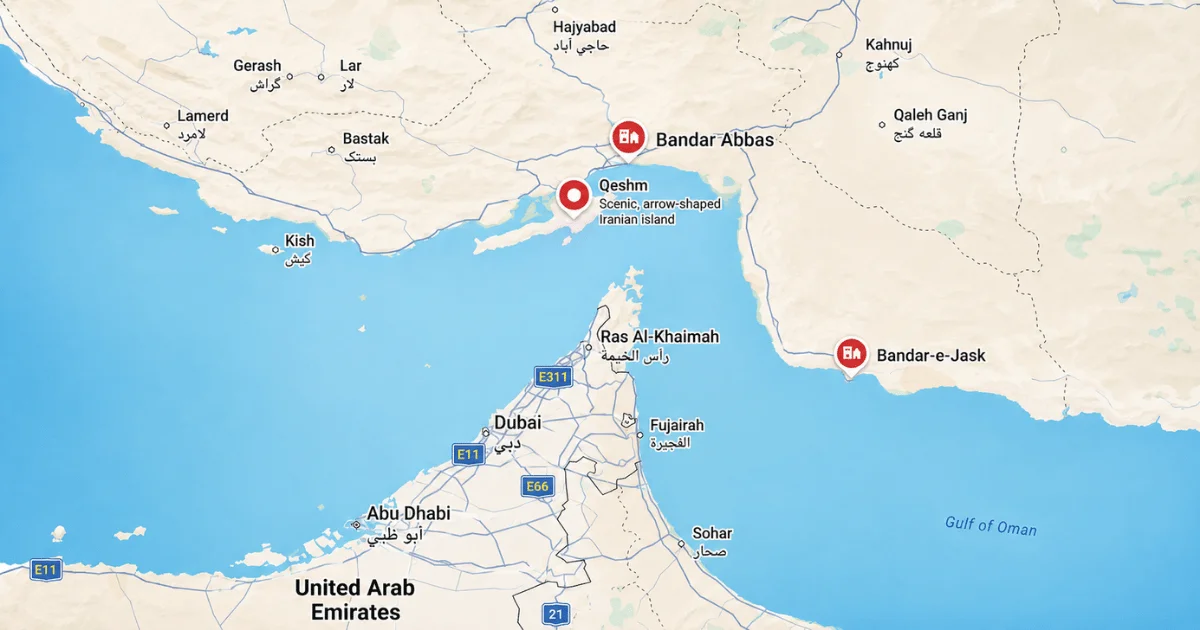
The market reaction suggests that traders are beginning to price in a scenario where diplomatic progress could eventually reduce tensions around the Strait of Hormuz, one of the world's most important energy shipping routes.
Gold Gains Despite Improving Risk Sentiment
Gold moved higher toward the $4,570 area during the Asian session as investors reacted to continuing headlines surrounding peace negotiations.
Normally, improving geopolitical conditions can reduce demand for safe-haven assets such as gold. However, the current environment appears more complex.
Gold continues to find support from several factors:
- Ongoing uncertainty around the final structure of any agreement
- Expectations surrounding U.S. inflation data later this week
- Investors maintaining protective positions while negotiations continue
- Central bank and institutional demand remaining supportive
Although both sides have signaled progress, markets understand that discussions are still incomplete and several sensitive issues remain unresolved.
Oil Drops Sharply as Supply Fears Ease
Crude oil saw one of the largest reactions during the session.
WTI crude prices fell nearly 5% and moved below the important $90 level as traders rapidly removed part of the geopolitical premium built into oil prices.
The main driver behind the move was renewed optimism that the Strait of Hormuz could eventually reopen under more stable conditions.
For weeks, markets had priced in supply risks because any disruption in the region can affect a significant portion of global energy flows. A potential reopening would immediately reduce concerns over supply shortages.
However, traders remain cautious because several key issues continue to create uncertainty:
- Nuclear stockpile conditions remain unresolved
- Sanctions relief discussions continue
- Frozen Iranian assets remain under negotiation
- Hormuz restrictions and broader security issues are still being discussed
Euro Strengthens as Dollar Demand Softens
The Euro gained momentum and moved toward the 1.1650 region as demand for the U.S. Dollar weakened.
Recent reports suggested that negotiations may be around 95% complete from a framework perspective, although officials also stressed that significant work remains before any final agreement is signed.
As geopolitical fears eased slightly, some investors reduced safe-haven Dollar exposure and shifted back toward risk-sensitive assets and currencies.
What Markets Are Watching Next
While optimism has improved considerably, the market is still trading based on headlines rather than completed agreements.
Investors are now watching:
- Progress in U.S.-Iran negotiations
- Any developments regarding Strait of Hormuz access
- Details on sanctions and nuclear arrangements
- U.S. PCE inflation data later this week
Inflation data could become particularly important because it may influence expectations for future Federal Reserve policy.
BonusPips View
Markets appear to be moving from a crisis-pricing environment toward cautious optimism.
The recent moves in gold, oil and currencies suggest investors are starting to reduce some of the geopolitical premium that had been supporting defensive assets.
However, there remains a meaningful difference between progress in negotiations and a signed agreement.
Until final details are confirmed, markets may continue experiencing sharp moves in both directions with every new headline.
For now, the message from markets appears clear:
Less fear is helping risk sentiment improve, but uncertainty has not disappeared yet.

0 Comments