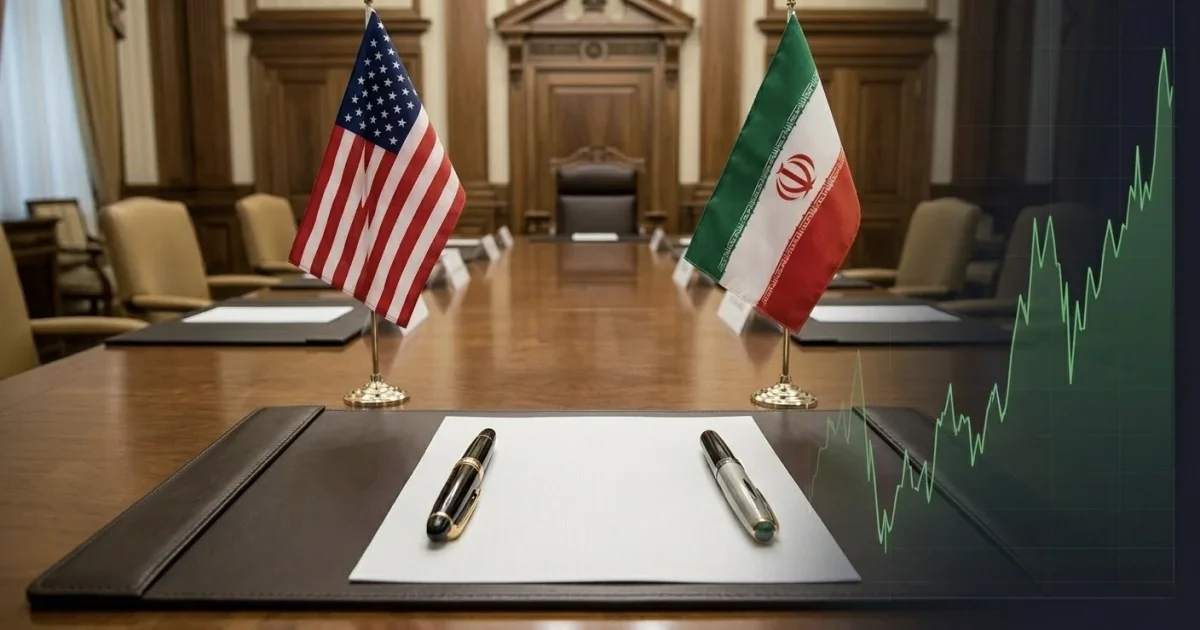
US-Iran Conflict: Key Things Traders Should Watch From the Start of the Week
The new trading week begins with the US-Iran conflict still sitting at the centre of global market risk. Last week, markets were pricing in some hope that a deal could be moving closer. However, the latest reports suggest that the path to an agreement is still complicated, and traders should be careful about assuming that a breakthrough is guaranteed.
Iran is reportedly preparing its own amendments to the proposed deal text, pushing back against the terms supported by President Trump. This means the negotiation process is still active, but not settled. The market had previously reacted positively to reports of progress, especially around the possible reopening of the Strait of Hormuz, but Iran’s latest position shows that both sides are still negotiating hard.
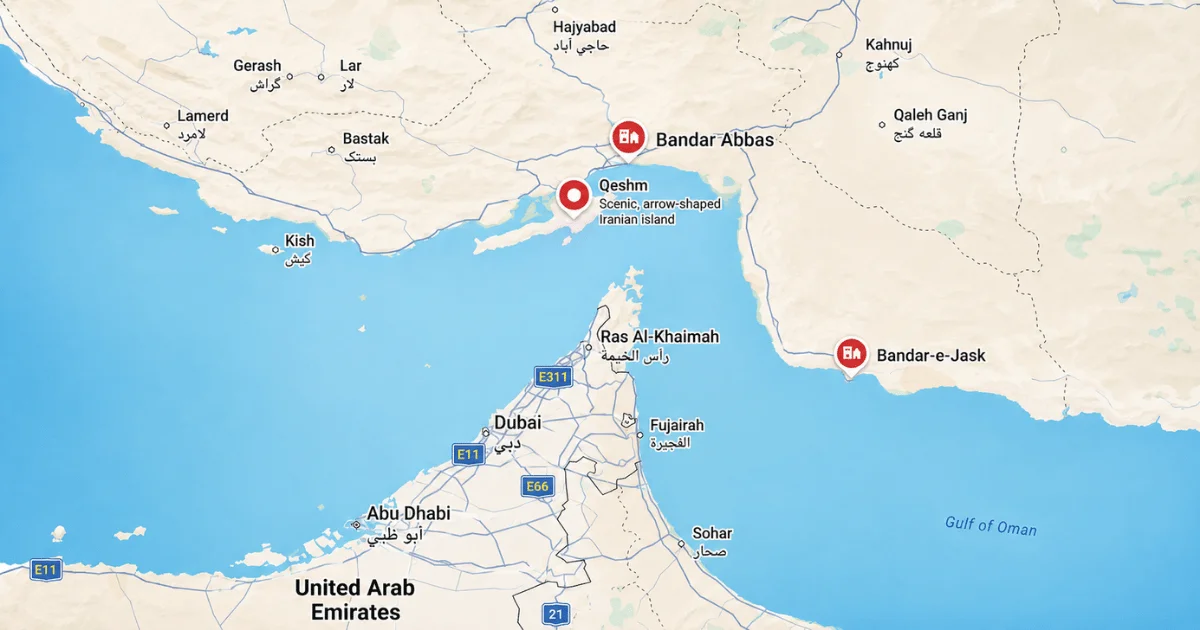
For traders, the biggest issue remains the Strait of Hormuz. Any progress toward reopening or normalizing traffic through the Strait would likely be bearish for oil and supportive for risk sentiment. On the other hand, any sign that talks are failing could quickly bring back the geopolitical risk premium in crude oil, gold, the US dollar and safe-haven assets.
There are also fresh security concerns around the Gulf region. Reports of another likely ballistic missile interception near Ali Al Salem Airbase in Kuwait show that military risk has not disappeared. Even if diplomats are talking, the situation on the ground remains fragile. This is important because markets can move sharply when headlines point to direct attacks, interceptions, or threats to US forces and Gulf infrastructure.
Another area to watch is Lebanon. The US is pushing for a ceasefire framework involving Hezbollah and Israel, but Washington believes Hezbollah is being influenced by Tehran. This matters because the US-Iran conflict is not only about Iran directly. It also includes Iran-linked groups across the region. If Lebanon, the Gulf, or the Strait of Hormuz remain unstable, markets may continue to treat the whole situation as one broad geopolitical risk event.
From a market perspective, oil remains the most sensitive asset. A clear deal that supports safe passage through Hormuz could pressure crude prices lower. But if talks break down or military incidents increase, oil could rise again quickly. Gold may also stay volatile. If investors believe a deal is close, gold can lose some safe-haven demand. But if missile activity, regional conflict, or diplomatic failure returns to the headlines, gold can find fresh support.
The US dollar is also important to watch. In a risk-off environment, the dollar often benefits from safe-haven flows. However, if peace hopes improve and oil falls, inflation fears may ease, which could reduce some support for the dollar. This makes the dollar’s reaction more complicated than oil or gold, because traders are also watching Fed policy, inflation data and US economic strength.
Equity markets will likely remain headline-driven. Positive diplomatic developments can support stocks, especially if oil falls and inflation pressure eases. But any confirmed escalation near the Gulf or attacks on US-linked assets could quickly hurt risk appetite.
The main things traders should watch this week are simple:
Iran’s official response to the US-backed deal terms.
Any update on the reopening or control of the Strait of Hormuz.
Fresh missile, drone or naval activity in the Gulf.
US comments from Trump, Rubio or defense officials.
Oil price reaction to every major headline.
Whether gold and the dollar rise together, which would signal deeper risk aversion.
The key takeaway is that markets are not dealing with a clean peace story yet. There is progress, but there is also pushback. Iran is not simply accepting the US position, and military risk across the region remains active. Until there is a signed agreement and clear movement on Hormuz, traders should expect sudden volatility in oil, gold, the US dollar and risk assets.
For now, the market is likely to trade between two themes: hope for a diplomatic breakthrough and fear of renewed escalation. That makes headline risk the biggest driver at the start of the week.
0 Comments