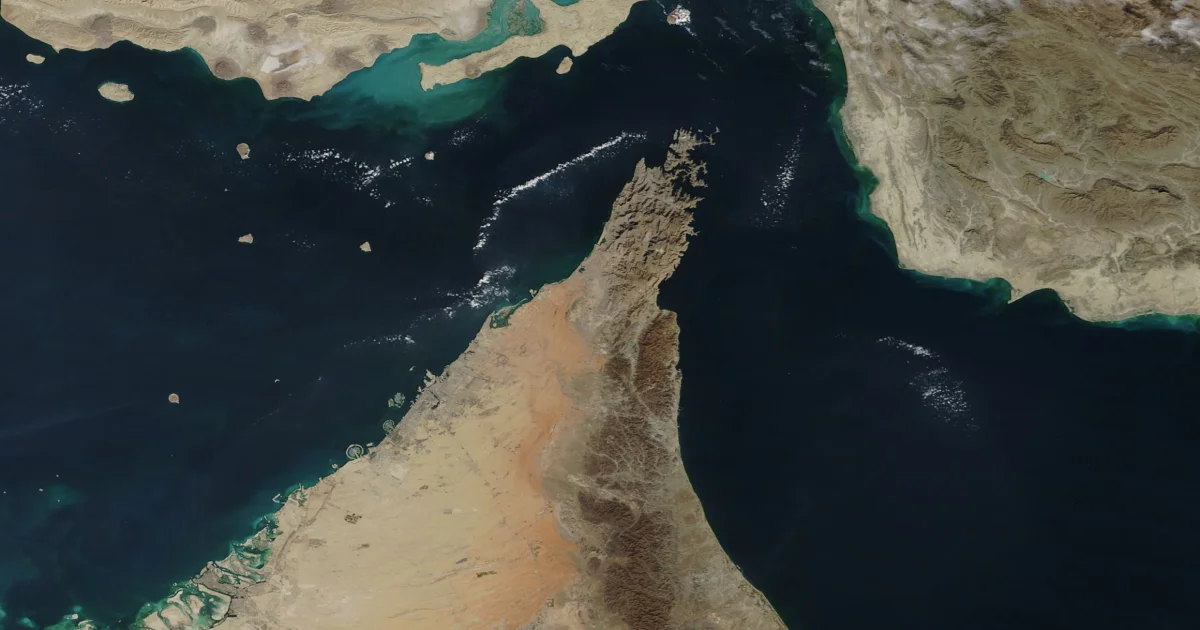
Trump Signals Potential Naval Blockade in Strait of Hormuz Amid Escalating Tensions with Iran
In a strongly worded statement, Donald J. Trump has indicated that the United States could move toward a naval blockade of the strategically critical Strait of Hormuz, marking a significant escalation in tensions with Iran.
According to the statement, while recent diplomatic discussions reportedly saw progress on several fronts, the central issue of nuclear policy remains unresolved. Trump emphasized that this point “really mattered,” signaling frustration over stalled negotiations.
A Hardline Maritime Strategy
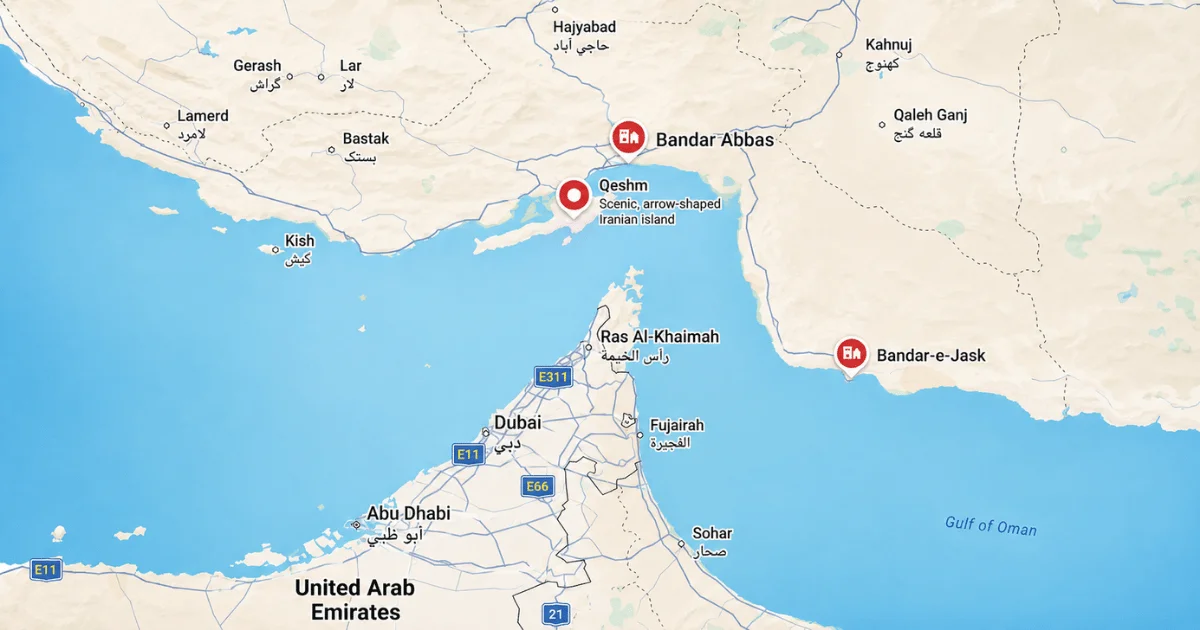
Trump outlined a potential immediate response involving the United States Navy, describing it as “the finest in the world,” and announcing plans to begin a blockade targeting all vessels attempting to enter or exit the Strait of Hormuz. This narrow waterway is one of the world’s most vital oil transit routes, making any disruption highly consequential for global markets.
He further stated that U.S. naval forces have been instructed to identify and intercept vessels in international waters that have allegedly paid tolls to Iran. “No one who pays an illegal toll will have safe passage on the high seas,” the statement declared, framing Iran’s actions as “world extortion.”
Threats of Escalation
The rhetoric extended beyond maritime enforcement. Trump warned that any hostile actions by Iranian forces against U.S. or civilian vessels would be met with overwhelming force. Additionally, he suggested that the U.S. military could take steps to neutralize naval mines reportedly deployed in the region.
The statement also painted a bleak picture of Iran’s current military capabilities, asserting that its naval and air forces have been significantly weakened, and claiming that key leadership figures are no longer in power.
Market Implications and Global Reactions
For traders and investors, particularly those in energy and forex markets, the developments carry substantial implications. The Strait of Hormuz handles a significant portion of global oil shipments; any blockade or military activity in the area could trigger sharp volatility in oil prices and ripple effects across currency markets.
Historically, geopolitical tensions in this region have led to rapid price spikes in crude oil, strengthening safe-haven assets while putting pressure on risk-sensitive currencies. A sustained escalation could also draw in other nations, as hinted in Trump’s remarks, further amplifying uncertainty.
What Comes Next?
While no official military action has been confirmed, the tone and specificity of the statement suggest that contingency plans may already be in motion. The reference to a blockade beginning “shortly” raises questions about timing and international response.
For now, market participants and global leaders alike will be closely monitoring developments, as any concrete action in the Strait of Hormuz could mark a turning point in U.S.-Iran relations—and a major catalyst for global financial markets.

0 Comments