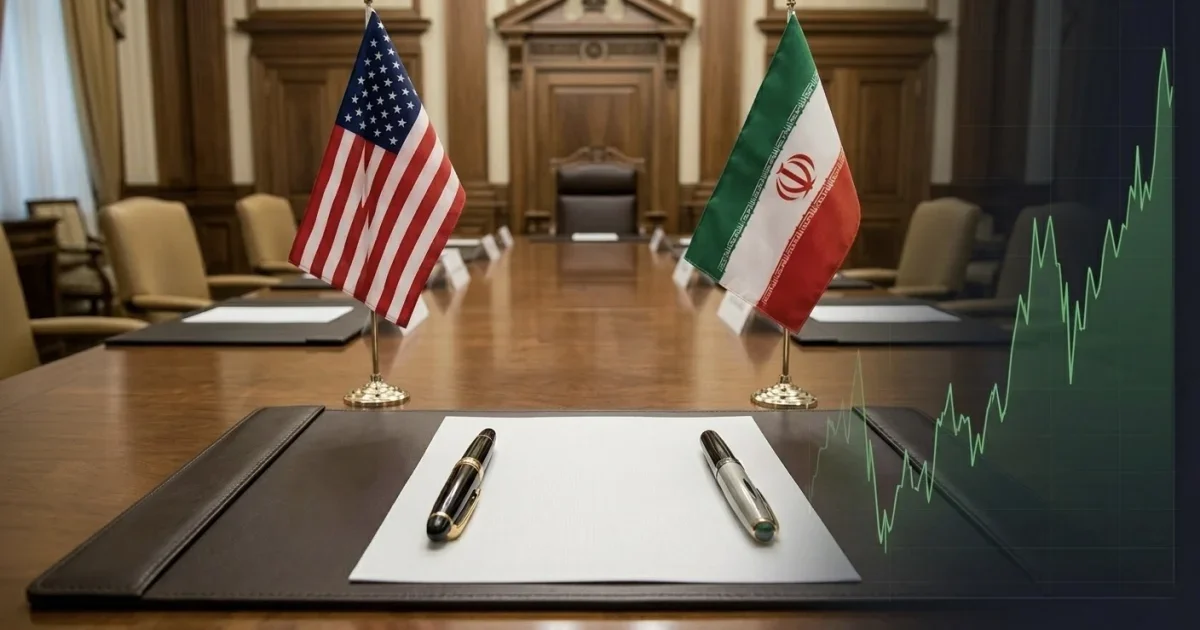
Markets Turn Optimistic as Signs of Progress Emerge in US-Iran Negotiations
Financial markets moved into a more positive mood after reports suggested that the United States and Iran could be moving closer toward a draft agreement. Although officials on both sides continue sending mixed messages, investors reacted positively to headlines indicating progress in discussions surrounding the conflict and the future of the Strait of Hormuz.
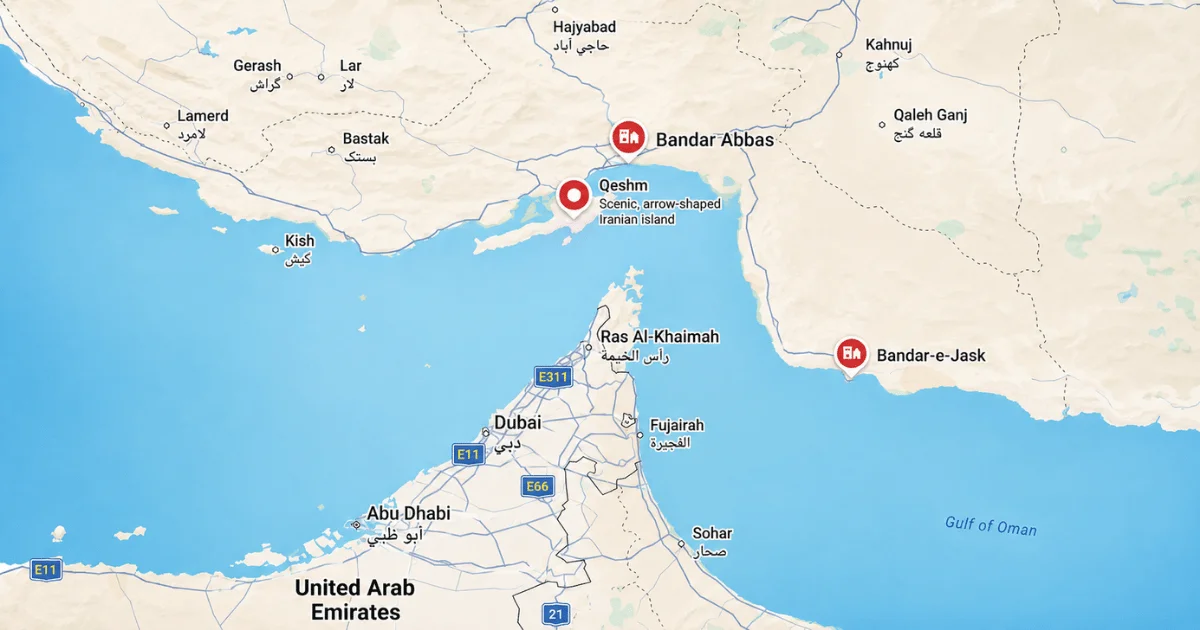
The biggest boost for markets came after reports claimed that the U.S. and Iran had reached a draft agreement through mediation efforts. The proposed framework reportedly includes guaranteed freedom of navigation through the Gulf region, including the Strait of Hormuz and the Sea of Oman.
The possibility of a diplomatic breakthrough immediately improved risk sentiment across markets.
Oil prices reacted sharply lower as traders reduced fears of prolonged supply disruptions. Crude oil futures settled below recent highs, falling almost 2%, as investors started pricing out some of the geopolitical premium that had built into energy markets over the past several weeks.
At the same time, safe-haven demand also softened. The U.S. Dollar and Treasury yields pulled back from earlier gains while stock markets moved higher during the session as investors shifted toward risk assets.
The market reaction highlights how sensitive investors have become to every development surrounding the negotiations. For weeks, concerns about military escalation, shipping disruptions, and energy supply risks had been supporting oil and safe-haven assets.
However, optimism was later partially reduced after Iran's President stated that the country would not back down during negotiations, reminding investors that major issues still remain unresolved.
Further uncertainty emerged when additional reports suggested that negotiators were still working on draft documents and that it was too early to determine whether a final agreement was close.
Even with these mixed signals, markets appear to be focusing on the bigger picture.
Several developments are supporting a more positive outlook:
- Active mediation efforts remain ongoing
- Negotiators reportedly continue working on draft agreements
- Discussions around maintaining open shipping routes are continuing
- Both sides appear interested in avoiding broader economic damage
The importance of the Strait of Hormuz remains central to these discussions because any disruption in the region can quickly impact global energy prices and financial markets.
A potential agreement could bring several important market implications:
- Lower oil prices through reduced supply concerns
- Reduced safe-haven demand for the U.S. Dollar
- Improved sentiment for equities and risk assets
- Lower inflation pressure from energy markets
Bonuspips View
Markets are beginning to shift from a pure fear-driven environment toward cautious optimism.
Investors are not fully pricing in a final agreement yet, but they are increasingly positioning for the possibility that diplomacy could eventually prevent a larger conflict.
The sharp fall in oil prices and stronger risk appetite show that markets are starting to remove some of the geopolitical premium built into recent prices.
However, negotiations remain highly sensitive and headline-driven.
For now, markets appear to believe that both sides have strong reasons to avoid prolonged conflict, and that alone is helping improve sentiment across global markets.

0 Comments