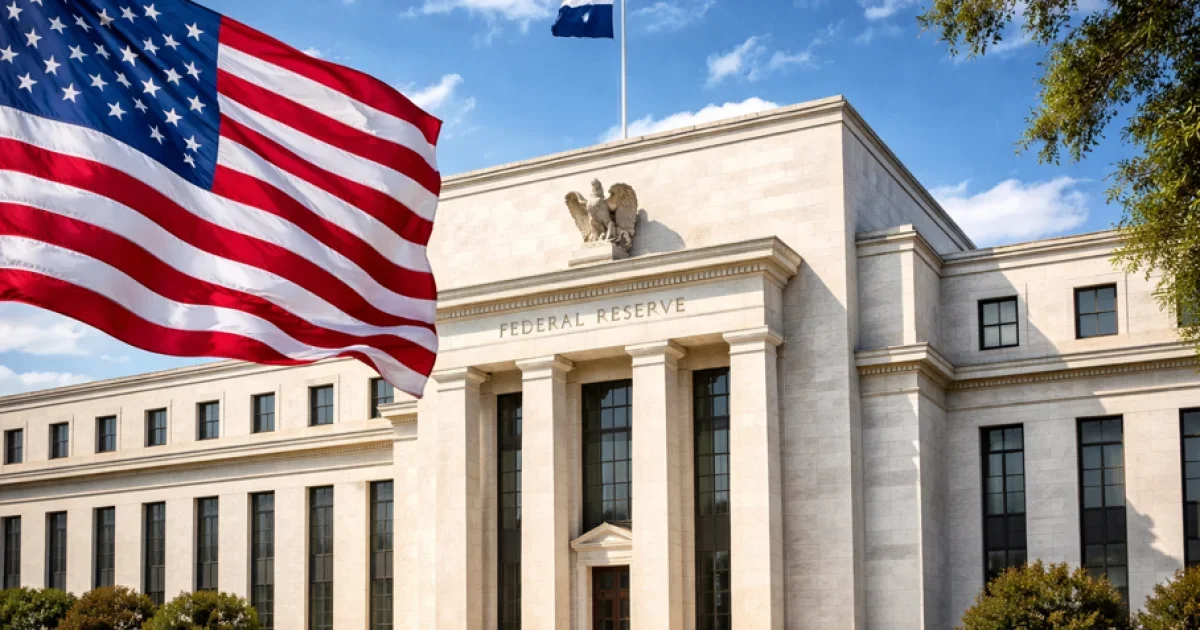
Strong US Jobs Report Lifts Dollar as Bonds, Stocks and Gold Come Under Pressure
The latest US Non-Farm Payrolls report delivered a stronger-than-expected reading and immediately changed the tone across global markets. The US economy added 172,000 jobs in May, well above market expectations, while the unemployment rate remained steady at 4.3%.
For traders, the message was clear: the US labor market is still holding up better than expected.
This matters because the Federal Reserve has been looking for clear signs that inflation and economic activity are cooling before considering any softer policy stance. A strong jobs report reduces the pressure on the Fed to cut rates and keeps the “higher-for-longer” interest rate story alive.
Why the Dollar Rose After NFP
The US Dollar gained after the data because strong employment numbers support the idea that the Fed may need to keep policy restrictive for longer.
When the labor market remains strong, consumer demand can stay firm. That makes it harder for inflation to fall quickly. As a result, markets reduced expectations for near-term rate cuts and increased expectations that the Fed may remain cautious for longer.
The Dollar also benefited from rising Treasury yields. Higher yields make US assets more attractive to global investors, which usually supports demand for the greenback.
USD/JPY moved higher as the Dollar strengthened, while EUR/USD and GBP/USD came under pressure after the report.
Bonds Sell Off as Yields Jump
The bond market reacted sharply.
Treasury yields moved higher because traders priced in a stronger Fed outlook. The 2-year yield, which is highly sensitive to Fed policy expectations, rose as markets reassessed the path for interest rates. The 10-year yield also moved higher as investors adjusted to the idea that strong employment and sticky inflation could keep financial conditions tighter.
This pushed bond prices lower.
For bond traders, the jobs report was not just strong — it challenged the idea that the Fed will be able to ease policy soon.
Stocks Fall as Rate Cut Hopes Fade
US equities moved lower after the data, with major indices under pressure as bond yields rose.
The reason is simple. Strong jobs data may be good for the economy, but it is not always good for stocks when inflation is still a concern. If the Fed keeps rates high for longer, borrowing costs remain elevated, valuations become harder to justify, and growth stocks can face pressure.
Technology shares were among the areas hit harder as higher yields reduced appetite for high-valuation sectors.
The Dow, S&P 500 and Nasdaq all moved lower as investors shifted away from risk assets and adjusted to a more hawkish rate outlook.
Gold Drops as Dollar and Yields Rise
Gold also came under pressure after the jobs report.
A stronger Dollar makes gold more expensive for foreign buyers, while higher Treasury yields reduce the appeal of non-yielding assets like gold. This combination usually creates a difficult environment for bullion.
Gold had already been sensitive to Fed expectations, and the strong NFP number added more pressure by reducing hopes for rate cuts.
However, the broader gold story is not completely broken. Geopolitical risk, central bank demand and long-term debt concerns remain supportive factors. But in the short term, strong US data and rising yields are clear headwinds.
What the NFP Means for the Fed
The report strengthens the case for the Fed to remain patient.
The Fed does not need to rush into rate cuts when employment remains strong and inflation is still above target. Policymakers may now feel more comfortable waiting for more data before making any major policy change.
The next focus will be inflation data and wage growth.
If inflation stays sticky and jobs remain strong, the market may continue pricing a hawkish Fed path. If inflation starts cooling clearly, the impact of this jobs report may fade over time.
What Traders Should Watch Next
After this NFP report, traders should focus on:
- US CPI and PCE inflation data
- Average hourly earnings
- Weekly jobless claims
- ISM services and manufacturing trends
- Treasury yield movement
- Fed speeches
- Risk sentiment across equities
- Gold reaction near key support zones
The market is now back to watching whether strong jobs will keep inflation sticky.
BonusPips View
The NFP report has shifted market sentiment back in favor of the US Dollar.
The stronger jobs number showed that the US economy is still resilient, reducing the chance of near-term Fed easing. That pushed yields higher, supported the Dollar, and pressured stocks, bonds and gold.
For now, the main market message is:
Strong jobs mean the Fed can stay patient.
This keeps the Dollar supported in the short term, especially against currencies where central banks are less hawkish. However, traders should avoid assuming a straight-line move because the next inflation report can quickly change the narrative again.
If inflation remains firm, USD strength may continue.
If inflation softens clearly, markets may start pricing rate cuts again and the Dollar could lose momentum.
For now, the NFP reaction confirms that the market remains highly sensitive to every major US data release.



0 Comments