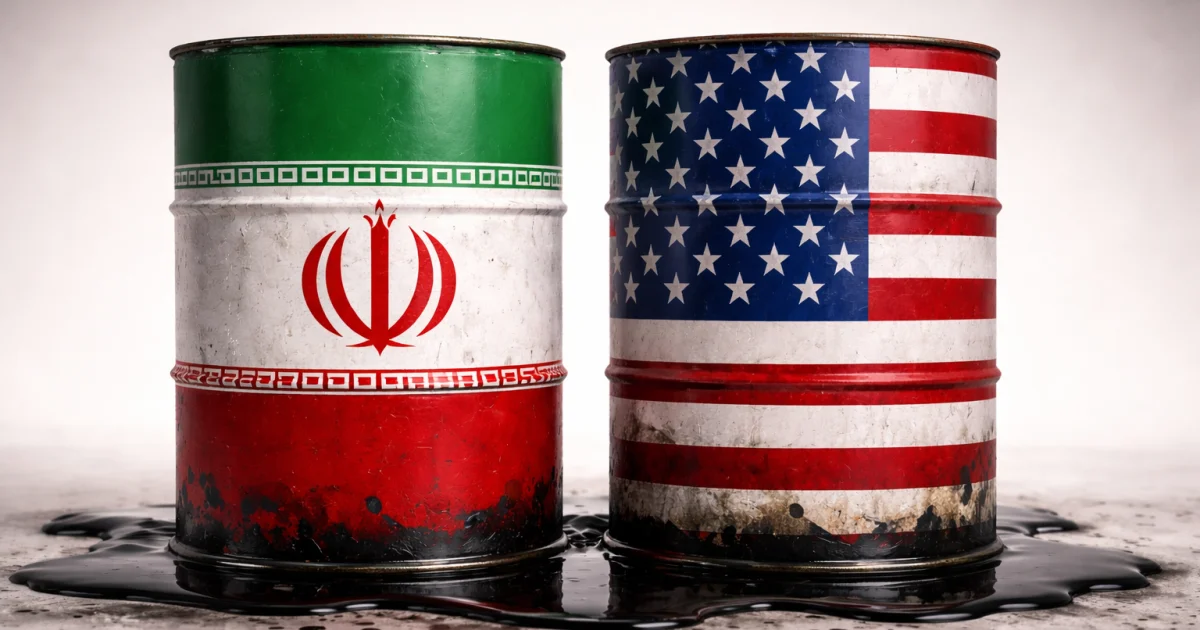
‘No Gulf Port Will Be Secure’: Iran Issues Stark Warning After Trump’s Naval Blockade Announcement
Following the collapse of diplomatic talks between Iran and the United States, tensions in the Middle East have sharply escalated after Donald Trump announced a planned naval blockade targeting Iranian ports. The talks, which were seen as a crucial opportunity to reduce long-standing hostilities, reportedly failed due to disagreements over Iran’s nuclear ambitions, regional influence, and security arrangements in the Persian Gulf. In response to the breakdown, the U.S. administration moved toward a more aggressive strategy aimed at pressuring Tehran economically by restricting maritime access to its ports, particularly those critical for oil exports.
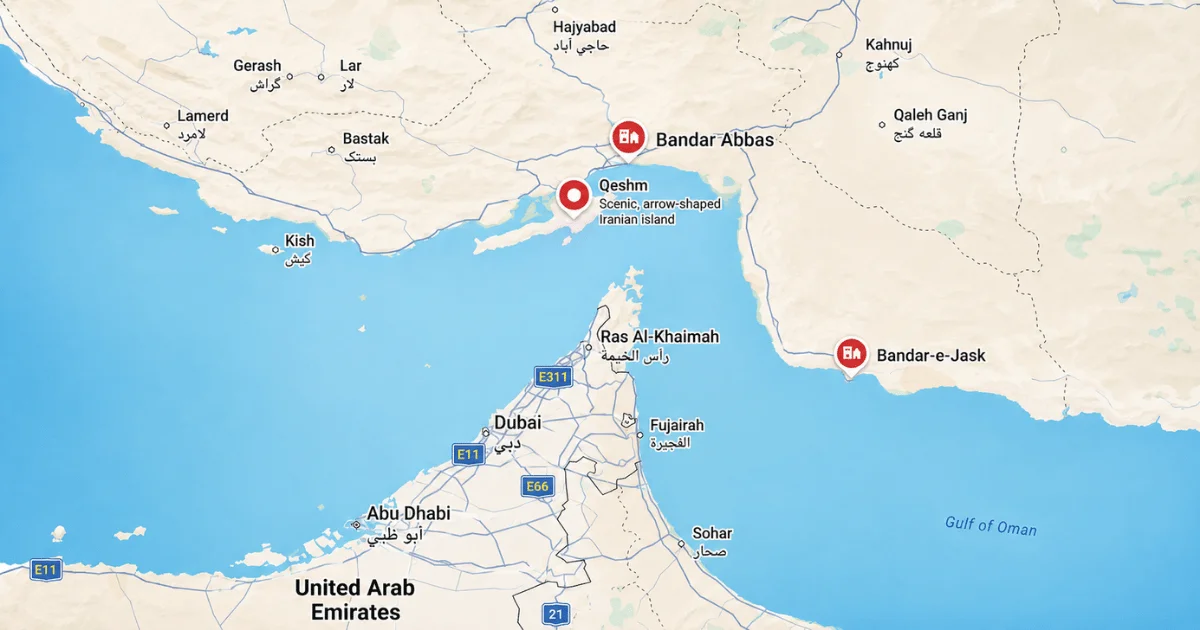
The proposed naval blockade is intended to prevent ships from entering or leaving Iranian ports, effectively cutting off a major source of national revenue. Given that Iran’s economy relies heavily on oil exports, such a move could have severe economic consequences for the country. However, the announcement has also raised significant legal and military concerns, as enforcing a blockade in international waters—especially near the strategically vital Strait of Hormuz—could be interpreted by Iran as an act of war. The Strait of Hormuz is one of the world’s most critical maritime chokepoints, through which roughly one-fifth of global oil supply passes, making any disruption there a matter of global concern.
Reacting strongly to the U.S. move, Iran issued a stark warning that if the security of its own ports is compromised, it would retaliate in a way that would make the entire Persian Gulf unsafe for maritime activity. This statement signals a potential shift from a contained bilateral conflict to a broader regional threat. Iranian officials and military leaders have indicated that any attempt to enforce the blockade could lead to countermeasures, including targeting shipping lanes, commercial vessels, or even infrastructure in neighboring Gulf countries. Such actions would not only escalate military tensions but also threaten the stability of countries like Saudi Arabia, the United Arab Emirates, and Qatar, all of which depend heavily on secure maritime trade routes.


0 Comments