
Israel-Lebanon Ceasefire Understanding Lifts Hopes for Lower Regional Risk
Reports suggest that Israel and Lebanon have reached an understanding on a plan for a full ceasefire, supported by Washington and tied to steps taken by Hezbollah. The proposed arrangement would involve both sides committing to quickly establish pilot zones under the exclusive control of the Lebanese Armed Forces, with no presence of non-state armed groups.
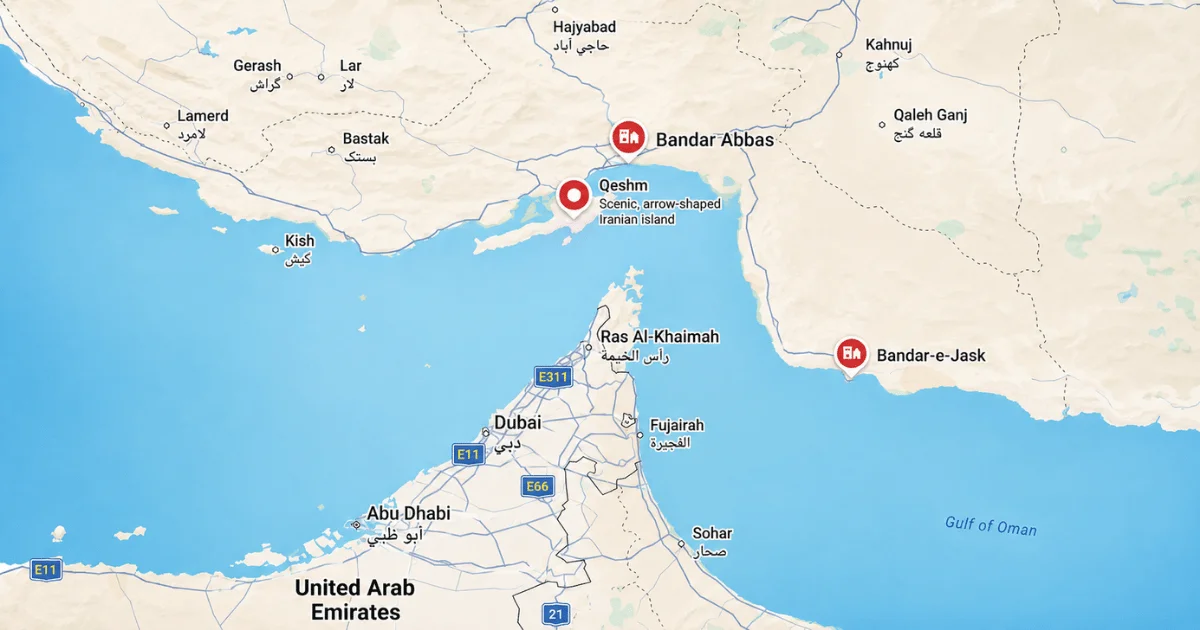
For markets, this is important because it points toward a possible reduction in regional tension at a time when traders are already closely watching the wider Middle East situation, including Iran, the Strait of Hormuz, oil flows, and safe-haven demand.
The key point is that this is not just a political headline. If implemented properly, it could reduce fears of a wider conflict involving Israel, Lebanon, Hezbollah, Iran-linked groups, and potentially the U.S.
Why This Matters for Markets
Middle East tensions have been one of the biggest drivers of volatility in recent weeks. Any sign of de-escalation can quickly affect oil, gold, the U.S. Dollar, equities, and risk-sensitive currencies.
If the ceasefire understanding holds, markets may treat it as a positive risk sentiment development.
That could mean:
- Lower demand for safe-haven assets
- Softer support for gold
- Reduced geopolitical premium in oil
- Better sentiment for equities
- Support for risk currencies such as AUD, NZD and EUR
However, traders should remain careful. The agreement appears to be conditional on Hezbollah-related steps, and that means execution will matter more than the headline itself.
Oil Market Reaction
Oil may come under pressure if traders believe the ceasefire lowers the chance of a wider regional conflict. The market has been pricing risk around the Middle East because any escalation can threaten energy routes, raise shipping costs, and increase fears of supply disruption.
A credible ceasefire could reduce some of that risk premium.
But oil may not fall sharply unless markets also see progress on the broader U.S.-Iran and Strait of Hormuz situation.
Gold and Safe-Haven Demand
Gold could face some pressure if the news improves global risk sentiment. In recent weeks, gold has been supported by geopolitical uncertainty, inflation risk, and demand for safety.
If investors believe the Lebanon ceasefire reduces regional instability, some short-term safe-haven demand may fade.
Still, gold may remain supported if U.S. yields fall, the Dollar weakens, or the U.S.-Iran situation remains unresolved.
U.S. Dollar and Forex Impact
The U.S. Dollar could lose some safe-haven support if markets become more confident that Middle East tensions are easing.
This could help EUR/USD, GBP/USD, AUD/USD and NZD/USD recover, especially if U.S. economic data also comes in softer.
However, the Dollar may stay firm if traders continue focusing on Federal Reserve policy, inflation risks, or any renewed escalation elsewhere in the region.
Equity Market Sentiment
Equities usually welcome de-escalation headlines because lower geopolitical risk can improve investor confidence.
If this ceasefire framework progresses, stock markets may react positively, especially sectors sensitive to energy costs, global trade, and risk appetite.
But if implementation fails or Hezbollah rejects key conditions, markets could quickly reverse the initial optimism.
BonusPips View
This headline is positive for sentiment, but traders should not treat it as a complete solution yet.
The market will now watch whether the ceasefire plan moves from statement to implementation. The most important part is whether the Lebanese Armed Forces can actually control the proposed zones and whether Hezbollah complies with the terms.
For now, the market impact is likely to be:
Positive for risk sentiment, mildly negative for oil and gold, and potentially softer for safe-haven Dollar demand.
But the bigger Middle East risk story is not over. Traders should continue watching U.S.-Iran headlines, Strait of Hormuz developments, and any confirmation from official sources on how this ceasefire plan will be enforced.

0 Comments