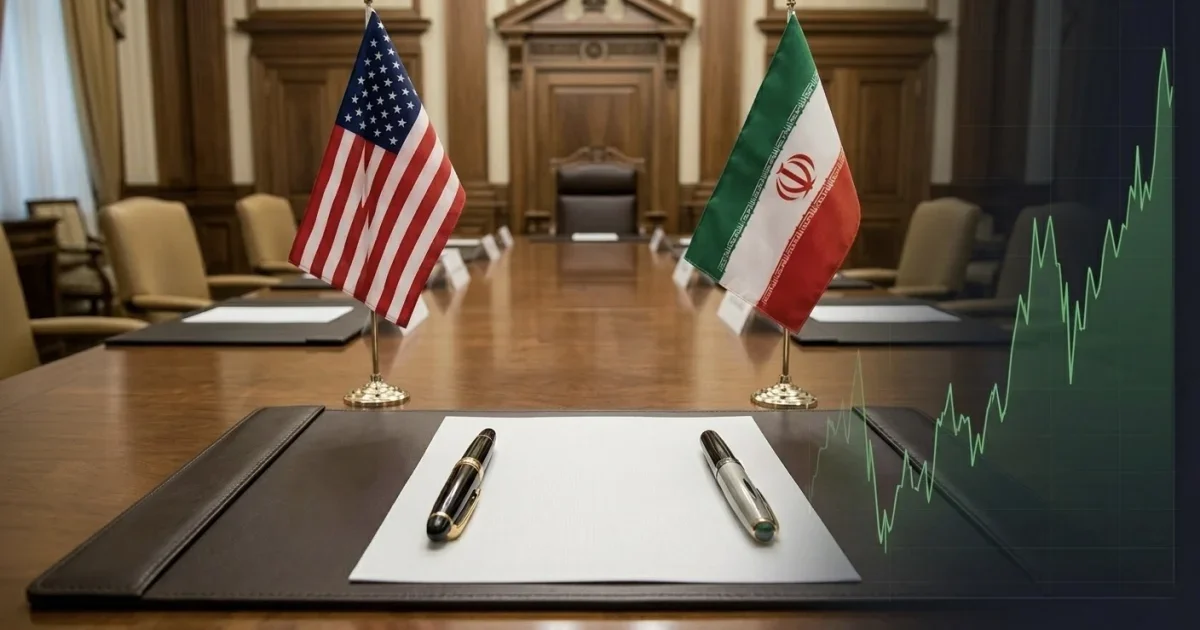
Gold and Silver Slide as US-Israel-Iran Headlines Trigger a Volatile Market Session
Markets went through a dramatic and highly volatile session as traders reacted to a rapid flow of conflicting headlines from the U.S., Israel and Iran. The day was full of political messaging, ceasefire hopes, military warnings, and shifting market expectations.
At one point, markets were encouraged by comments suggesting that Israel and Iran could be moving toward an immediate ceasefire. Later, fresh reports of military exchanges, warnings from Iran, and uncertainty around the real strength of negotiations reminded traders that the situation remains fragile.
The result was a difficult trading environment where sentiment changed quickly. Risk assets tried to recover on ceasefire hopes, oil remained sensitive to Middle East headlines, and the U.S. Dollar moved with shifting safe-haven demand.
However, the biggest losers of the day were clearly gold and silver.
A Day Driven by Conflicting Headlines
The session began with markets still focused on the weekend escalation between Israel and Iran. Reports of missile activity, military responses and regional warnings kept traders on edge.
Then came comments from President Trump suggesting that both Israel and Iran were looking for an immediate ceasefire and that peace negotiations were moving forward. This headline initially helped improve risk sentiment because markets are always quick to price de-escalation when geopolitical fear has been running high.
But the optimism was not clean.
Iran announced the end of military operations against Israel, but also warned of stronger retaliation if attacks resumed. At the same time, reports suggested Israel had paused preparations for another round of strikes, but the overall tone remained uncertain.
This created a classic headline-driven market: every new statement changed the short-term direction.
Why Gold and Silver Fell
Gold and silver normally benefit from geopolitical fear. But today’s decline shows that precious metals are not only driven by war risk.
The biggest pressure came from three forces working together:
First, ceasefire optimism reduced safe-haven demand. When traders believe a conflict may cool down, they often reduce defensive positions in gold and silver.
Second, the strong U.S. jobs report from last week continued to influence the market. Strong employment data supported the idea that the Federal Reserve may keep interest rates higher for longer. That hurts gold and silver because they do not pay interest.
Third, higher U.S. yields and a firm Dollar made precious metals less attractive. When yields rise, investors can earn better returns from bonds. This reduces the appeal of holding non-yielding assets like gold and silver.
So even though Middle East risk remained active, the market started treating gold and silver more as interest-rate-sensitive assets rather than pure safe havens.
Silver Was Hit Harder Than Gold
Silver often moves more aggressively than gold because it has both precious metal and industrial demand characteristics.
When risk sentiment weakens or investors reduce exposure to high-volatility assets, silver can fall faster. At the same time, if yields rise and the Dollar remains supported, silver can face pressure from both the macro side and speculative positioning.
This made silver one of the weakest major assets during the session.
Gold also fell sharply, but silver’s move was more aggressive because it tends to react with higher volatility during fast-moving market conditions.
Oil Remained Caught Between War Risk and Ceasefire Hope
Oil also had a volatile session.
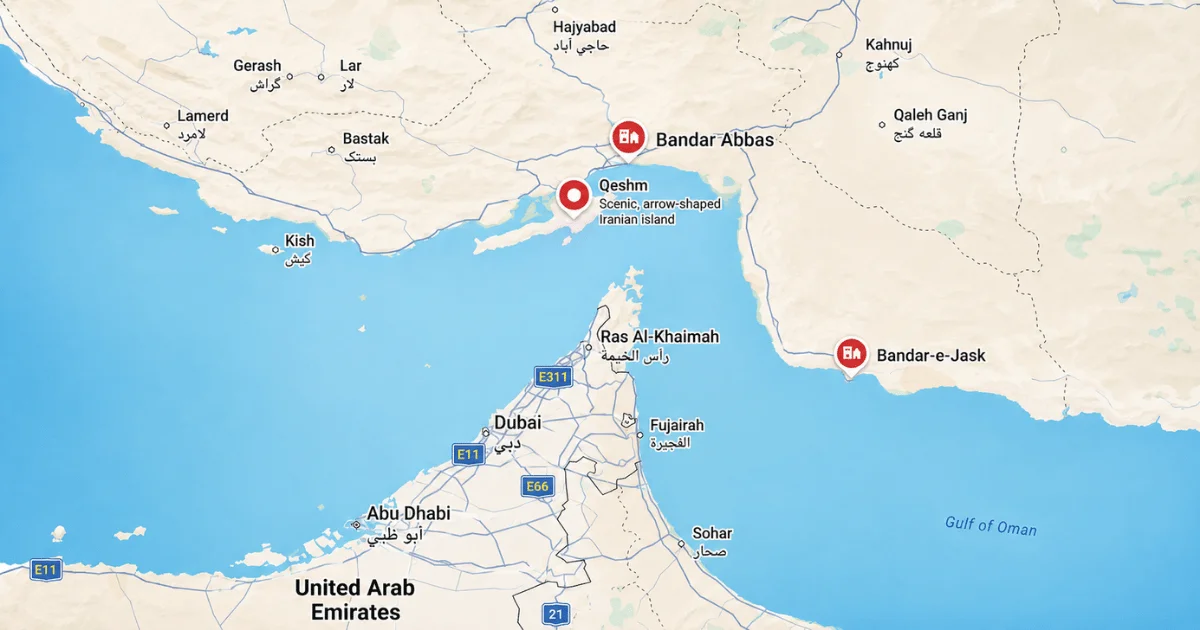
Middle East tensions usually support crude because traders fear supply disruptions, especially around the Strait of Hormuz and wider Gulf region. Reports of Israel-Iran exchanges helped keep oil supported earlier in the session.
However, ceasefire talk limited upside momentum. If markets believe a deal or truce is possible, some of the geopolitical premium in oil can fade quickly.
This is why oil struggled to build a clean directional move. The market is still watching whether the conflict moves toward real de-escalation or another wave of military action.
The U.S. Dollar Was Pulled in Two Directions
The Dollar also had a complicated session.
On one side, geopolitical tension supports the Dollar because investors move toward safety during periods of uncertainty.
On the other side, ceasefire optimism can weaken safe-haven Dollar demand.
But the Dollar still has another important support: the Federal Reserve.
Strong U.S. jobs data has strengthened the view that the Fed may stay restrictive for longer. If inflation remains sticky and the labor market stays firm, markets may reduce expectations for rate cuts and even discuss the risk of further tightening.
This is why the Dollar did not collapse even when peace headlines improved sentiment. The Dollar is currently supported by both safe-haven flows and Fed expectations.
How Interest Rate Hike Expectations Are Acting Between War News
This is the most important part of the current market.
Normally, war news should support gold. But today, the interest rate story was strong enough to limit that support.
Markets are balancing two opposite forces:
War risk supports gold and safe-haven assets.
Higher interest rate expectations pressure gold and silver.
Right now, the Fed story is acting like a ceiling over precious metals. As long as U.S. data remains strong and yields stay elevated, gold and silver may struggle to rally even when geopolitical headlines are tense.
This does not mean war risk is irrelevant. If the conflict escalates sharply, gold can still rebound. But smaller or unclear headlines may not be enough when the market is focused on higher rates.
In simple words:
Gold needs either deeper fear or lower yields to recover strongly.
What Happened Across Markets
The session showed how sensitive markets are to every headline.
When ceasefire headlines appeared, risk sentiment improved and safe-haven demand weakened.
When military warnings or strike-related reports appeared, oil and defensive assets found support again.
But gold and silver failed to benefit properly because U.S. yields and Fed expectations remained a heavy burden.
The broader market message was clear:
Traders are not fully convinced by the peace story, but they are also not pricing a full escalation yet.
That middle ground created volatility instead of a clean trend.
What Can We Expect Next?
The next move will depend on confirmation.
If Israel and Iran move toward a real ceasefire, oil may lose some geopolitical premium, gold and silver may remain under pressure, and risk assets may stabilize.
If the ceasefire narrative breaks down and fresh strikes resume, oil could jump again, gold could recover, and the Dollar may gain safe-haven support.
If U.S. data remains strong and inflation stays sticky, the Fed story will continue to dominate precious metals. In that case, even geopolitical tension may only create short-term bounces in gold and silver unless the situation becomes much worse.
Traders should watch:
- Official confirmation of any ceasefire
- Israel’s military response
- Iran’s reaction and regional warnings
- Oil movement around Middle East headlines
- U.S. Treasury yields
- Dollar strength
- Upcoming U.S. inflation data
- Gold and silver reaction near key support zones
BonusPips View
Today was not a normal market session. It was a storytelling market, where every headline changed sentiment.
The market wanted to believe in peace, but the actions on the ground kept traders cautious. That is why we saw sharp intraday movement instead of a clean one-way reaction.
Gold and silver were the major losers because the ceasefire narrative reduced safe-haven demand while strong U.S. jobs data and higher-for-longer Fed expectations kept pressure on precious metals.
This is the key takeaway:
War headlines are supporting uncertainty, but interest rate expectations are controlling gold and silver.
For now, precious metals may struggle unless either geopolitical risk escalates sharply or U.S. yields begin to fall.
The market is now waiting for confirmation: Is this a real ceasefire path, or just another pause before the next round of escalation?
Until that becomes clear, traders should expect more headline-driven volatility across gold, silver, oil, the Dollar and equity markets.

0 Comments