
Euro Area Returns to Trade Surplus in February Ahead of Rising Geopolitical Tensions
The Euro Area returned to a trade surplus position in February, marking an improvement in its external balance just before global geopolitical tensions—particularly involving the United States and Iran—began to escalate.
In February, the eurozone recorded a surplus as exports modestly outpaced imports. This shift was largely driven by a decline in import values, especially energy imports, rather than a strong surge in export demand. Lower energy prices compared to previous peaks helped reduce the overall import bill, which has been a key factor affecting the region’s trade balance over the past year.
Exports, while stable, showed only limited growth. Demand from major trading partners remained somewhat subdued due to slower global economic activity, particularly in manufacturing-heavy sectors. This indicates that the return to surplus was not necessarily a sign of strong external demand, but rather a reflection of easing cost pressures and normalization in trade flows.
On the import side, weaker domestic demand across the eurozone also contributed to the improvement. Households and businesses have been cautious due to high interest rates and lingering inflation concerns, leading to reduced demand for foreign goods. This naturally compressed imports, supporting the trade balance.
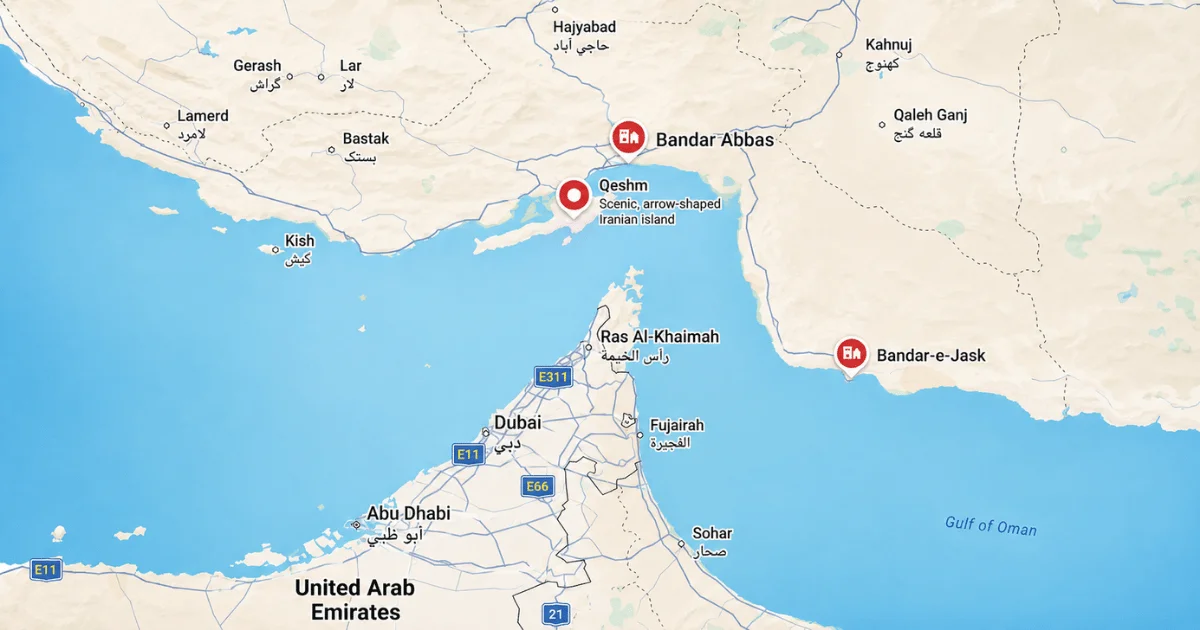
However, the timing of this improvement is important. The data comes just before renewed geopolitical uncertainty linked to tensions between the United States and Iran. Any escalation in that region could disrupt global energy markets, potentially pushing oil prices higher again. For the eurozone, which is heavily dependent on energy imports, such a development could quickly reverse the gains seen in February by increasing import costs.
In summary, while the euro area’s return to a trade surplus in February is a positive development on the surface, it is largely driven by temporary factors such as lower energy prices and weak domestic demand. The outlook remains fragile, as external risks—especially geopolitical tensions—could once again pressure the region’s trade balance in the coming months.


0 Comments