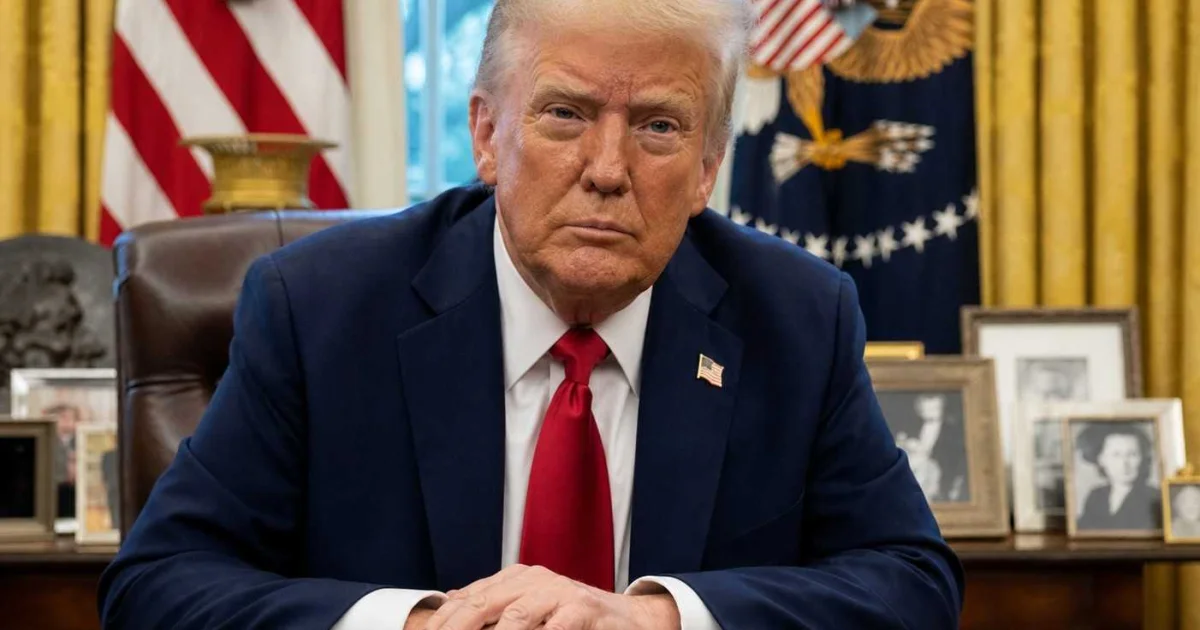
Breaking News: Trump Signals Mixed Tone on Iran — Tough Warnings Paired with Openness to Talk
Geopolitical tensions around the Strait of Hormuz continue to evolve rapidly, with former U.S. President Donald Trump delivering a characteristically forceful yet strategically nuanced message regarding Iran.
In recent remarks to Fox News, Trump warned that Iran would face overwhelming consequences if it directly targeted U.S. naval assets escorting commercial vessels through the region. At the same time, he indicated that Iran appears “more malleable” in ongoing discussions — a statement that introduces a softer diplomatic undertone amid otherwise aggressive rhetoric.
*Strong Deterrence Message from Washington*
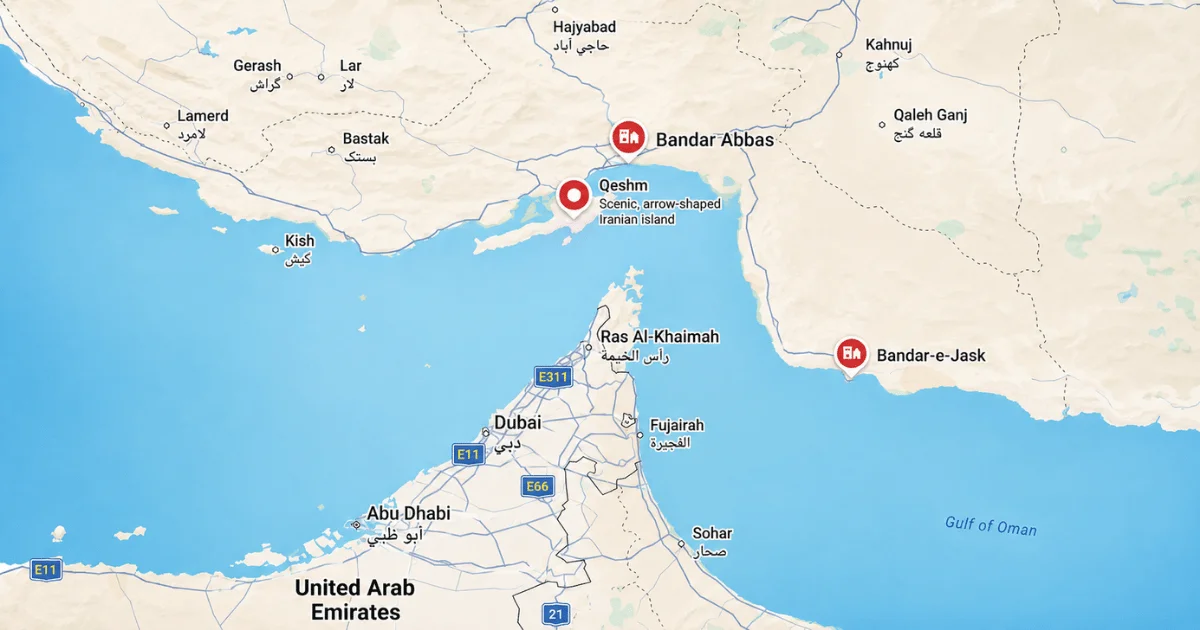
Trump’s comments centered on safeguarding maritime security under what has been described as “Project Freedom,” a U.S.-led initiative aimed at ensuring the safe passage of global shipping through one of the world’s most critical energy chokepoints.
Key highlights from his statements:
* Iran would be “blown off the face of the earth” if it attacks U.S. ships
* U.S. forces have already engaged and neutralized multiple fast-moving boats
* No major damage has been reported to vessels transiting the Strait so far
* A recent incident involved a South Korean cargo vessel being targeted
He also suggested that countries like South Korea could take a more active role in securing shipping lanes, signaling a push toward broader international participation.
*Defensive Posture, Not Immediate Escalation*
Despite the strong language, U.S. officials are emphasizing restraint. A U.S. official, cited by Al Jazeera, clarified that operations in the region are defensive in nature, with no intention to escalate tensions with Iran.
This aligns with Trump’s own remarks, which — while aggressive in tone — stopped short of signaling imminent military escalation.
Additionally, Trump confirmed that senior defense officials, including Secretary of Defense Pete Hegseth and Joint Chiefs Chairman Dan Caine, are expected to provide further clarity in an upcoming press conference.
*Strategic Importance of the Situation*
The Strait of Hormuz remains a vital artery for global oil supply, with a significant percentage of the world’s crude shipments passing through daily. Any disruption — even perceived — has immediate consequences for:
* Oil prices
* Global inflation expectations
* Risk sentiment across financial markets
So far, markets are reacting cautiously, weighing the risk of escalation against signals of diplomatic flexibility.
*Market Perspective*
From a trading standpoint, this situation presents a classic geopolitical risk vs. diplomacy balance:
* Oil markets remain sensitive to any threat of supply disruption
* Equity markets are showing signs of hesitation amid uncertainty
* Safe-haven assets like gold may see intermittent volatility depending on headlines
The absence of actual damage to shipping is currently acting as a stabilizing factor.
*Final Takeaway*
There’s a clear dual-layer strategy unfolding here.
On the surface, Trump’s rhetoric is maximum pressure — strong enough to deter any direct Iranian aggression. But underneath that, the messaging suggests controlled de-escalation:
* The U.S. is asserting dominance without actively seeking conflict
* Iran being described as “more malleable” indicates backchannel diplomacy is likely active
* The emphasis on “no damage” and defensive operations signals a desire to avoid triggering a broader crisis
From a market perspective, this is not yet a full-blown escalation scenario — it’s a managed tension environment.
However, there’s a structural reality traders must not ignore:
Sustaining military protection in the Strait indefinitely is not a long-term solution.
At some point, the burden of security either shifts to a coalition model or transitions into a negotiated framework. Until then, markets will remain highly sensitive to headlines, with sharp but potentially short-lived reactions.
*Bottom line:*
We are in a phase where geopolitics can move markets quickly, but without sustained escalation, those moves may not yet translate into long-term trends. Traders should stay agile, focus on risk management, and avoid overcommitting to directional bias purely on headlines.
Trump said the US "shot down" seven Iranian "fast boats" - a claim denied by Tehran
Mohammad Ghalibaf - who was the top negotiator in last month's talks with the US - says "we know well that the continuation of the status quo is intolerable for America"
0 Comments