
Breaking News: Middle East Tensions Escalate as UAE Intercepts Aerial Threats, Markets React Sharply
Tensions in the Middle East have taken a serious turn following reports of aerial threats targeting the United Arab Emirates. According to official statements from the UAE Ministry of Defence, multiple airborne objects approaching the country were detected and neutralized, while additional incidents across the region have raised concerns of broader geopolitical escalation.
Interceptions Over UAE Airspace
Authorities confirmed that four incoming aerial threats—believed to be a mix of drones and missile-type munitions—were identified heading toward the UAE. Of these, three were successfully intercepted over territorial waters, while the fourth reportedly fell into the sea without causing damage.
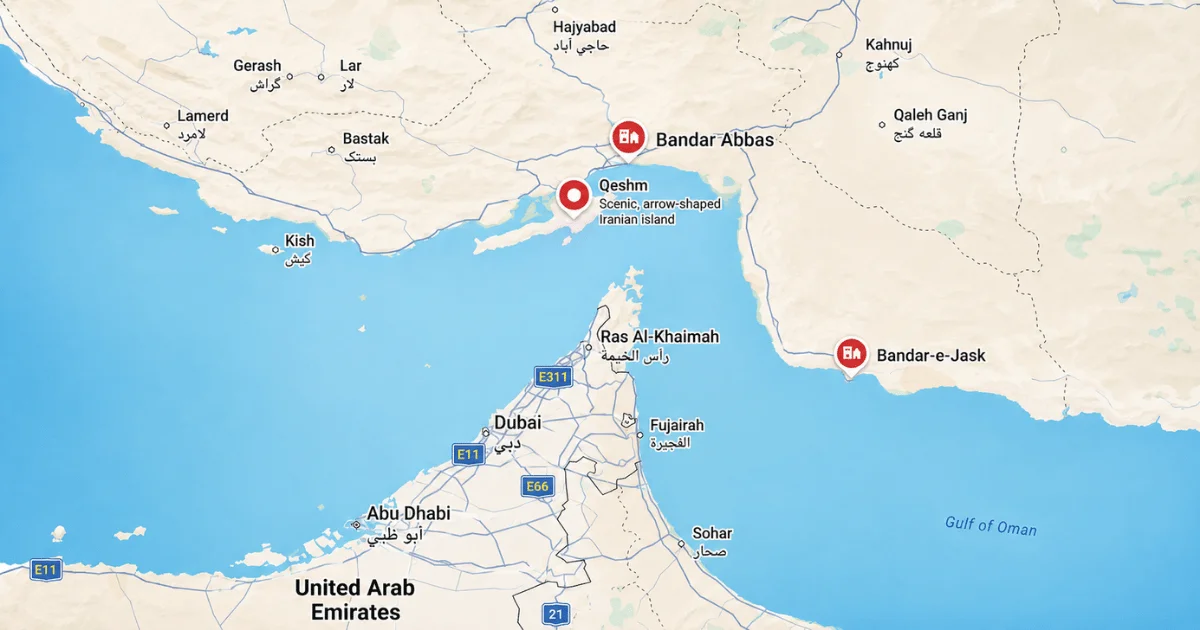
The Ministry emphasized that the loud sounds heard across parts of the country, including areas near Jebel Ali Port and Fujairah Port, were the result of defensive operations. Residents were urged to rely only on official sources and follow safety protocols.
Reports of Broader Regional Activity
Unconfirmed intelligence suggests that the aerial threats may have originated from Iran’s Isfahan Province, with speculation pointing toward maritime targets in or around the Strait of Hormuz—a critical global oil transit route.
Adding to the tension, Iranian media reportedly released footage showing what were described as “warning shots” directed at U.S. naval assets operating near the strait. While these claims remain unverified, they contribute to an increasingly volatile situation in one of the world’s most sensitive energy corridors.
Meanwhile, a separate maritime incident has also drawn attention. The United Kingdom Maritime Trade Operations reported a cargo vessel approximately 36 nautical miles north of Dubai experiencing an engine room fire. The cause remains unknown at this stage, though the timing has raised questions.
Industrial Site Fire Raises Alarm
Further complicating the situation are emerging reports of a fire at a petroleum-related industrial facility, allegedly triggered by a drone strike. While details remain limited, such developments are particularly significant given the UAE’s role as a major energy hub.
Market Reaction: Oil Up, Risk Assets Slide
Financial markets have begun to respond as the situation unfolds:
* Oil prices surged, reflecting fears of potential disruption in supply routes through the Strait of Hormuz.
* Equity markets weakened, with the S&P 500 dropping sharply as risk sentiment deteriorated.
* Gold showed unexpected weakness initially, potentially due to liquidity shifts or profit-taking, though such geopolitical stress typically supports safe-haven demand over time.
This divergence suggests that markets may still be in the early phase of pricing in the full implications of the situation.
Strategic Importance of the Strait of Hormuz
The Strait of Hormuz remains one of the most critical chokepoints in global energy logistics, with a significant portion of the world’s oil supply passing through it daily. Any escalation in this region has immediate and far-reaching consequences for global markets, particularly oil, currencies, and commodities like gold.
What Traders Should Watch Next
For traders and investors, the coming hours and days are crucial. Key developments to monitor include:
* Confirmation or denial of missile origin and intent
* Any escalation involving U.S. or allied naval forces
* Updates on damage to infrastructure or shipping
* Official statements from regional governments and global powers
* Sustained movement in oil prices and safe-haven assets
Final Thoughts
The situation remains fluid and highly sensitive. While initial defensive actions by the UAE appear to have prevented major damage, the broader implications of these events could unfold rapidly. Markets are beginning to react, but the full impact will depend on whether this remains a contained incident or develops into a wider regional conflict.
For now, traders should remain cautious, manage risk carefully, and stay alert to verified updates as they emerge.
Iran parliament speaker says US has jeopardised shipping security through Strait of Hormuz


0 Comments