Fed Holds Rates, but Warsh Changes the Game: Markets Now Face a Less Predictable Fed
The Federal Reserve kept interest rates unchanged at its July policy meeting, but this was not a quiet FOMC event.
The Fed held the target range at 3.50%–3.75%, as expected. However, the vote split, the statement language and Kevin Warsh’s press conference all pointed to a more complicated market outlook.
The biggest surprise was not the hold.
The biggest surprise was the level of disagreement inside the Fed and the message from Warsh that markets should not expect the central bank to “spoon feed” them with clear guidance.
This is a major shift.
For years, traders were used to a Fed that tried to guide expectations carefully. Under Warsh, the message now appears different: the Fed will watch markets, inflation, yields and economic data, but it will not constantly tell traders what to think.
That means more volatility.
What Happened in the FOMC Decision?
The Fed left rates unchanged at 3.50%–3.75%.
That part was expected.
But the decision was approved by a 9–3 vote, with Beth Hammack, Neel Kashkari and Lorie Logan voting against the hold. They preferred a 25 basis point rate hike.
This is important because it shows that the Fed is not fully united.
Three dissenters in favour of a hike tell the market that inflation concerns are still serious inside the committee. Even though the majority chose to wait, a meaningful group of policymakers already believes policy may need to be tighter.
That makes the September meeting more important.
The July decision was not a green light for easier policy. It was more like a warning that the Fed is waiting, but not relaxing.
The Statement Was Still Firm on Inflation
The Fed’s statement continued to describe economic activity as expanding at a solid pace.
It also noted that productivity growth and capital investment remain strong, while job gains have kept pace with the workforce and the unemployment rate has changed little.
This is not the language of an economy in trouble.
At the same time, the Fed said inflation remains elevated relative to its 2% target, partly because of supply shocks that have pushed prices higher in certain areas, including energy.
This is the key problem.
The Fed is looking at an economy that is still resilient, while inflation remains above target. That combination does not support a dovish shift.
It supports patience, caution and possible tightening if inflation does not improve.
Warsh’s Main Message: The Fed Will Not Spoon Feed Markets
Kevin Warsh’s press conference may be remembered as a turning point in Fed communication.
His message was clear:
Markets should focus on the data, yields, inflation and financial conditions instead of waiting for the Fed to guide every move.
He said markets should be “playing the ball, not the referee.” In simple terms, he wants traders to stop treating the Fed as the only driver and start watching the actual economic game.
This is a very different approach from the previous style of central-bank communication.
Warsh appears to believe that the market itself can tighten or loosen financial conditions through bond yields, credit spreads, stock prices and currency moves.
If inflation risk rises, yields can rise and financial conditions can tighten without the Fed immediately raising rates.
If growth slows, markets can price easier conditions before the Fed acts.
This makes the Fed more reactive and less guiding.
Why This Matters for Traders
A less predictable Fed means markets may move more sharply around data releases.
If Warsh gives less forward guidance, then every inflation report, jobs report, wage number, retail sales release and oil-price shock becomes more important.
Markets will not be able to rely on the Fed to clearly prepare them in advance.
That can increase volatility in:
- U.S. Dollar
- Treasury yields
- Gold
- Stocks
- EUR/USD
- GBP/USD
- USD/JPY
- AUD/USD
- NZD/USD
This is the key takeaway from today’s decision.
The Fed held rates, but it also made the market less comfortable.
Market Reaction: Confusion First, Then Risk-Off
The first reaction after the Fed decision was mixed.
The U.S. Dollar initially weakened, especially against the euro, pound and commodity currencies. The 2-year Treasury yield also moved lower, suggesting that traders did not see the meeting as an immediate rate-hike signal.
Gold and silver rallied, helped by the softer Dollar, lower front-end yields and continued geopolitical risk.
But as markets digested Warsh’s comments, the reaction became more defensive.
Longer-term Treasury yields moved higher, the yield curve steepened and stocks came under pressure. The Dow, S&P 500 and Nasdaq all finished weak as investors adjusted to the idea of a less transparent Fed.
That is important.
The market was not simply reacting to the rate hold. It was reacting to uncertainty about the Fed’s new operating style.
Why Stocks Did Not Like the Message
Stocks generally prefer clarity.
When central banks give clear guidance, investors can price future policy with more confidence. But Warsh is moving away from that style.
His approach seems to be that markets should do more of the work themselves.
That creates uncertainty for equities.
If long-term yields rise because markets price stronger growth, sticky inflation or higher term premiums, borrowing costs rise. That can pressure valuations, especially for technology and growth stocks.
This is why stocks struggled after the press conference.
Investors are not only worried about interest rates. They are worried about how much guidance the Fed will provide going forward.
What It Means for the U.S. Dollar
The Dollar reaction is not simple.
On one side, the Fed held rates and the front end of the Treasury curve moved lower. That can pressure the Dollar in the short term.
On the other side, three Fed officials voted for a rate hike, inflation remains elevated and Warsh did not sound dovish. That keeps the Dollar supported on dips.
The Dollar may now become more data-driven than before.
If upcoming inflation and labour data remain strong, markets may quickly price a higher chance of a September hike. That would support the Dollar.
If data softens, the Dollar may continue to pull back because traders may believe the Fed can stay on hold.
For now, the Dollar is not clearly bearish. It is entering a more volatile phase.
What It Means for Gold
Gold had a strong reaction because the Dollar weakened and short-term yields fell.
But gold’s outlook remains mixed.
A less predictable Fed can support gold because uncertainty increases demand for defensive assets. Rising geopolitical risk and higher oil prices can also support safe-haven demand.
However, if longer-term yields continue rising, gold may struggle. Higher yields increase the opportunity cost of holding non-yielding assets.
So gold is now trading between two opposing forces.
Fed uncertainty and geopolitical risk are supportive.
Higher yields and inflation-driven tightening risk are negative.
Gold can continue to benefit if markets believe Warsh’s Fed will stay behind the curve or if geopolitical tension worsens. But if yields keep rising aggressively, gold rallies may face resistance.
What It Means for USD/JPY
USD/JPY remains one of the most dangerous pairs after this meeting.
The Fed is not dovish, U.S. yields remain elevated and the U.S.-Japan rate gap still supports the Dollar.
But USD/JPY is already trading in intervention-sensitive territory.
If U.S. data comes strong and Treasury yields rise again, USD/JPY may push higher. That would increase the risk of Japanese intervention or sharp yen-buying reactions.
Traders should be careful with all yen pairs because any sudden official action from Japan can affect USD/JPY, EUR/JPY, GBP/JPY, AUD/JPY and NZD/JPY at the same time.
What It Means for EUR/USD and GBP/USD
EUR/USD and GBP/USD gained after the Dollar weakened.
But the upside still depends on whether U.S. yields continue falling.
EUR/USD may benefit if the ECB remains cautious on inflation and the Fed avoids immediate tightening. However, if U.S. inflation remains sticky and markets price another Fed hike, EUR/USD may struggle again.
GBP/USD is similar.
The pound can recover if the Dollar weakens, but the Bank of England’s own inflation and growth problem will also matter.
For both pairs, the next move will depend less on today’s Fed decision and more on upcoming U.S. data.
What Traders Should Watch Next
The next major drivers are:
U.S. inflation data
Core PCE
CPI
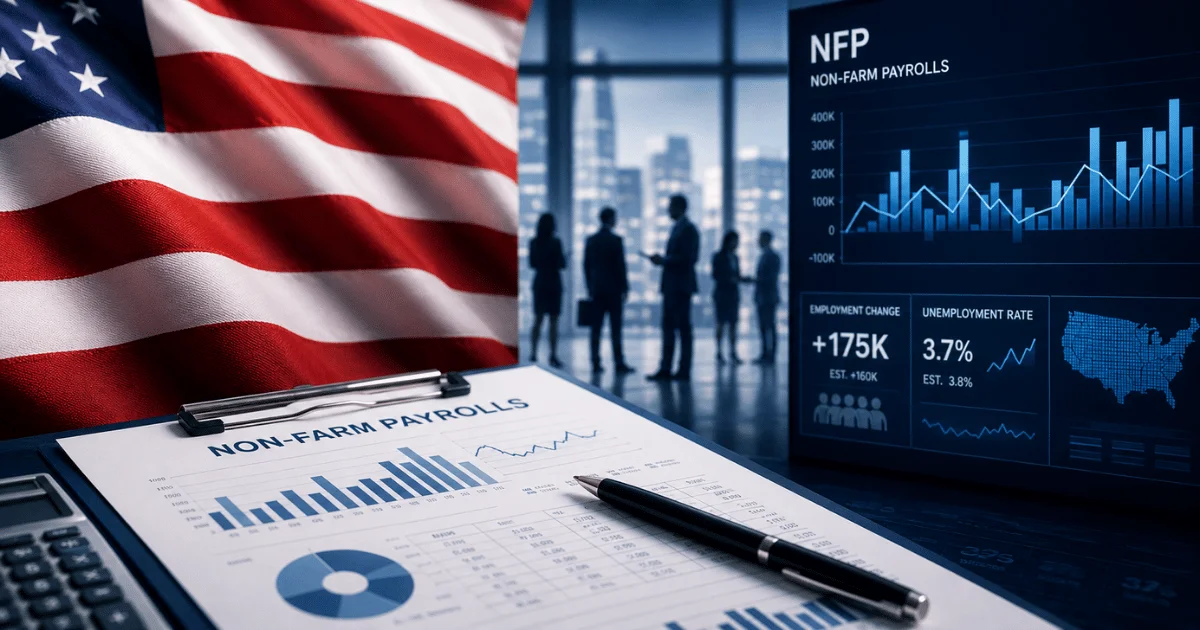
Non-Farm Payrolls
Wage growth
Retail sales
Oil prices
Treasury yields
Middle East headlines
Fed speeches before Jackson Hole
The September Fed meeting may now become a live meeting if inflation remains firm and economic data stays resilient.
But Warsh may not guide the market clearly before then.
That means traders must watch the data and the bond market closely.
BonusPips View
This FOMC meeting was more important than a normal rate hold.
The Fed did not hike, but three policymakers wanted to. That alone tells us inflation pressure remains a serious concern inside the committee.
Warsh’s press conference added another layer.
He is moving the Fed away from heavy guidance and toward a market-led framework. He wants markets to focus on economic reality rather than waiting for the Fed to explain every move.
This can be healthy in the long term, but in the short term it creates volatility.
The key message is simple:
The Fed held rates, but it did not sound dovish. Warsh is telling markets to price policy risk themselves, and that means every major data release now matters even more.
For traders, the strongest opportunities may come after inflation, jobs and Treasury-yield reactions rather than from the FOMC headline itself.
The Fed is no longer promising a clear roadmap.
That is why markets may become more volatile from here.
0 Comments