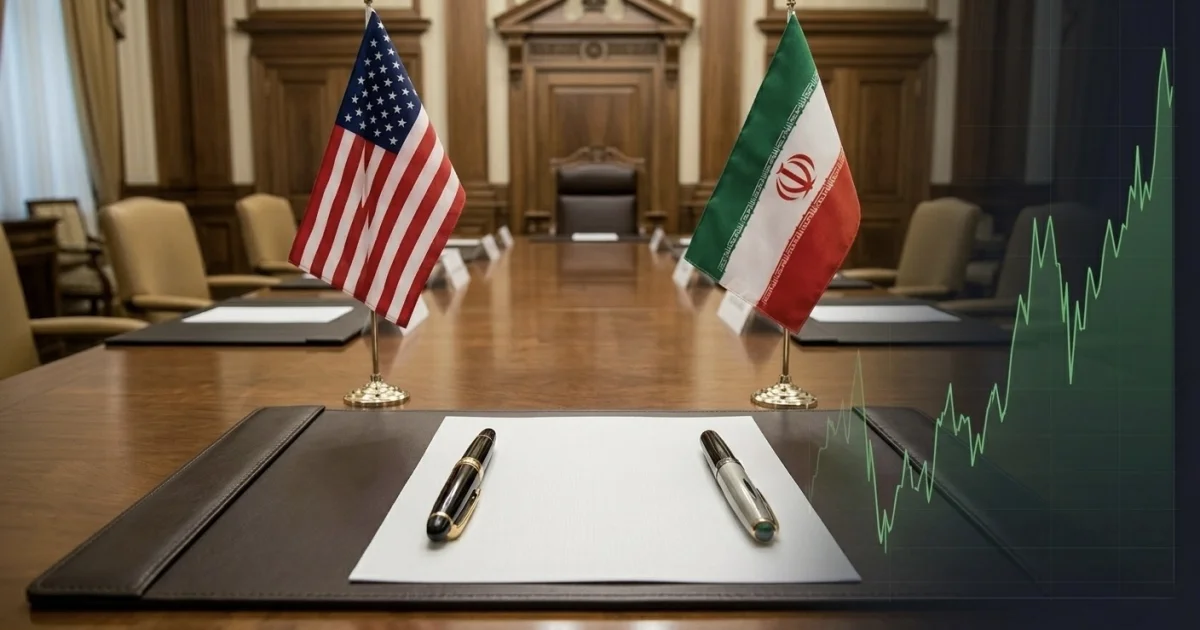
Breaking News: US–Iran Deal Nears as “One-Page Memo” Signals Possible End to Conflict
A potentially game-changing development is unfolding in global geopolitics, as reports suggest that the United States and Iran are closing in on a preliminary agreement to end ongoing hostilities. According to multiple sources cited by Axios, both sides are working toward a one-page memorandum of understanding (MOU) that could serve as the foundation for peace and further negotiations.
What the “One-Page Memo” Means
The proposed agreement is not a full treaty but rather a framework document designed to halt escalation and open the door for structured diplomacy.
Key elements under discussion include:
- Iran agreeing to a temporary halt (moratorium) on nuclear enrichment
- The U.S. committing to lift sanctions and release frozen Iranian funds
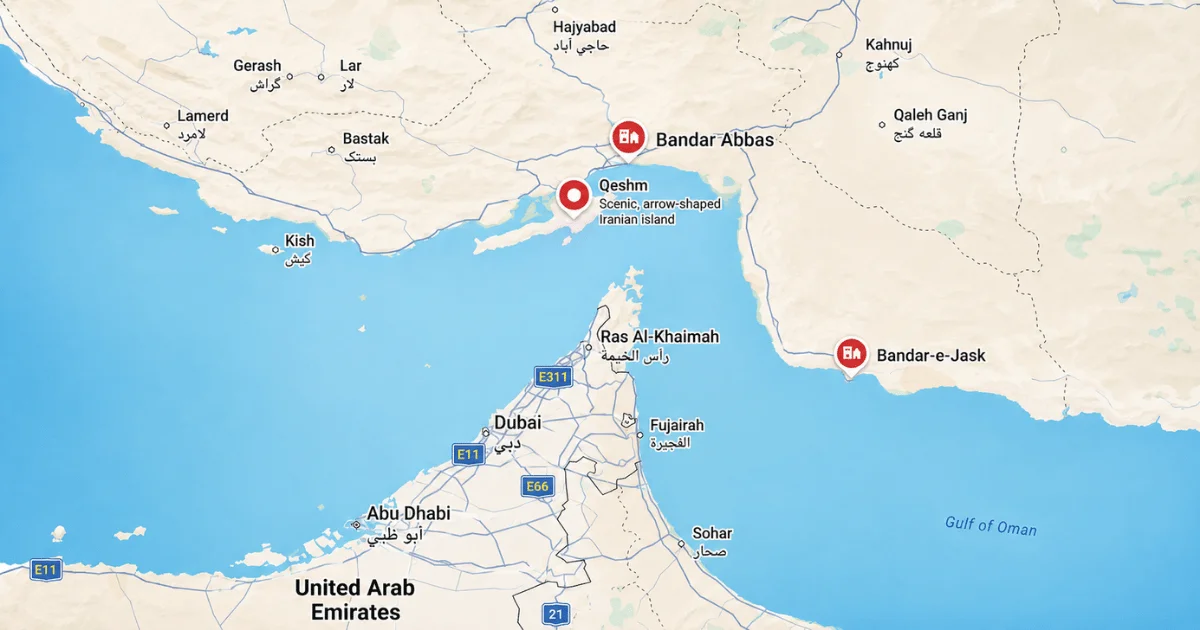
- Both sides easing restrictions around the Strait of Hormuz
- A 30-day negotiation window to finalize a broader agreement
This memorandum is reportedly structured as a 14-point plan, marking the closest both nations have come to a deal since the conflict began.
Timeline: Critical 48-Hour Window
Markets and policymakers are now focused on a key near-term trigger:
- The U.S. is expecting Iran’s official response within the next 48 hours
- No agreement has been finalized yet
- Internal divisions, particularly within Iran, remain a potential obstacle
Despite progress, officials emphasize that this is still a fragile and evolving situation.
Market Reaction: Relief but Not Resolution
Financial markets have already begun reacting to the possibility of de-escalation:
- Global equities rallied on optimism around reduced conflict risk
- Oil prices declined sharply, reflecting expectations of smoother supply flows
- Bond yields fell, indicating a shift toward lower risk premiums
However, this reaction is based on expectations, not confirmed outcomes, making the current environment highly sensitive to headlines.
Reality Check: Not a Done Deal
While the headlines suggest progress, several critical risks remain:
- Iran has indicated that parts of the proposal may be unrealistic or speculative
- The duration of the nuclear enrichment halt is still under negotiation
- The U.S. has maintained leverage, including the possibility of reinstating military pressure if talks collapse
In short, this is progress toward de-escalation, not peace secured.
Strategic Importance: Why This Matters Globally
The implications of this deal extend far beyond the region:
- The Strait of Hormuz handles a major portion of global oil supply
- Any easing of tensions directly impacts energy markets and inflation
- Currency markets, particularly the USD and commodity currencies, are highly sensitive to this development
A confirmed deal would likely trigger a shift from risk-off to risk-on sentiment globally.
Final Takeaway
This development represents a critical turning point — but not the finish line.
There are three layers to understand:
1. Tactical De-escalation
The one-page memo is designed to stop the bleeding, not solve the entire conflict.
2. Strategic Negotiation Phase
The real battle moves into the next stage — detailed negotiations, where most deals historically break down.
3. Market Positioning Shift
Markets are already pricing in optimism, which creates two-sided risk:
- If the deal progresses → risk assets rally, oil drops, USD weakens
- If talks fail → sharp reversal, oil spikes, safe havens surge
The biggest mistake traders can make right now is assuming certainty in an uncertain framework.
BonusPips Bottom Line
We are at the closest point to peace so far.
But this is still a headline-driven market, not a confirmed trend.
The next 48 hours are critical for direction across all asset classes.

0 Comments