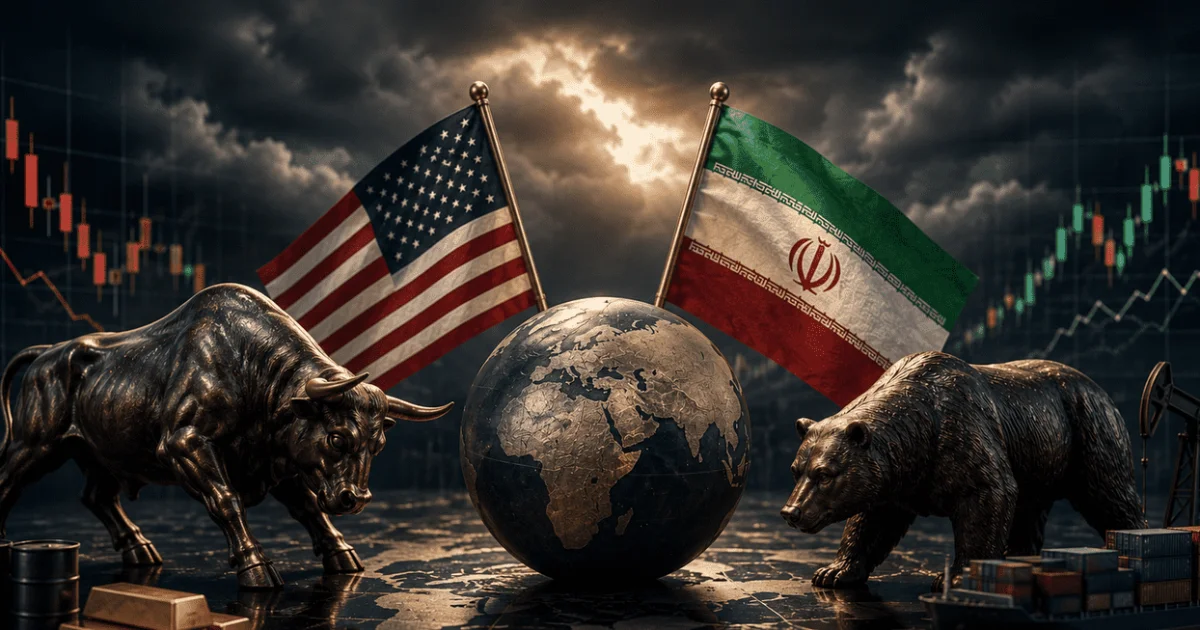
Markets Cautious as US-Iran Talks Show Progress but Tensions Still Remain
Financial markets are entering another uncertain phase as the latest developments in the U.S.-Iran conflict continue sending mixed signals to investors. While negotiations between both sides appear to be moving forward, recent headlines show that major disagreements still remain unresolved.
According to reports, a senior U.S. official described Iran’s latest proposal as “insufficient,” warning that failure to reach an agreement could risk restarting military escalation.
At the same time, there are also signs that Washington may be softening its stance in some areas. Reports suggest the U.S. proposed a temporary waiver on Iranian oil sanctions as part of ongoing negotiations.
This combination of pressure and flexibility shows that both sides are trying to avoid a full-scale escalation while still protecting their strategic interests.
Another major development came after President Donald Trump announced that a planned military strike on Iran would not take place for now. Trump said Gulf leaders, including officials from Saudi Arabia, Qatar, and the UAE, requested more time for negotiations as discussions continue behind the scenes.
However, the U.S. also made it clear that military options remain on the table if talks collapse.
Markets are currently reacting in a cautious but relatively stable manner.
Oil prices remain elevated because traders are still worried about supply disruptions linked to the Strait of Hormuz. The situation around global shipping routes continues to be one of the biggest risks for energy markets.
At the same time:
* The U.S. dollar remains supported by safe-haven demand
* Gold prices have become more volatile as traders balance geopolitical risks against higher U.S. yields
* Equity markets remain relatively resilient as investors still expect diplomacy to prevent a larger conflict
One of the biggest themes right now is uncertainty. On one side, negotiations are clearly progressing:
* Iran has reportedly shown some flexibility regarding nuclear discussions
* Talks involving regional mediators are ongoing
* Temporary sanction relief is being discussed
But on the other side:
* Iran says U.S. demands are still “excessive”
* Major issues around uranium enrichment and Hormuz control remain unresolved
* Both sides continue using military pressure as leverage
For markets, this means headline-driven volatility is likely to continue.
The current market view appears to be:
Investors believe diplomacy is possible, but they are not fully confident that a final deal will be reached quickly.
That is why oil remains supported, the dollar remains firm, and traders continue reacting sharply to every new development.
Bonuspips View
The market is no longer trading pure war fears. Instead, it is trading the uncertainty between:
* A possible diplomatic breakthrough
* And the risk of negotiations failing unexpectedly
For now, markets still lean toward de-escalation, but confidence remains fragile.
As long as talks continue, risk sentiment may remain stable. But any sudden breakdown in negotiations could quickly trigger:
* Higher oil prices
* Stronger safe-haven flows
* Equity market volatility
* Fresh pressure across global risk assets
This remains one of the most important geopolitical drivers for financial markets right now.



0 Comments