
Gold Surges as Safe-Haven Demand and Policy Uncertainty Trigger Strong Intraday Rally
Gold made a strong run higher today as traders moved back into defensive assets following fresh policy uncertainty from both the Federal Reserve and the Bank of Japan.
The move was not driven by one single headline.
It was a combination of safe-haven demand, softer Dollar conditions, unstable risk sentiment and hawkish central-bank signals that created a strong bid under bullion.
Gold was already supported earlier in the session as the Dollar softened. But the rally gained more strength after markets digested hawkish comments from Fed’s Jeff Schmid and the latest Bank of Japan minutes.
The key message from both central banks was clear:
Inflation risk is not gone.
That was enough to keep investors cautious and push gold higher as traders looked for protection against policy mistakes, market volatility and weekend geopolitical risk.
Why Gold Rallied Today
Gold usually struggles when central banks sound hawkish because higher interest rates increase the opportunity cost of holding non-yielding assets.
But today’s move was different.
The market did not read the hawkish tone as simple rate pressure. It read it as policy uncertainty.
Fed’s Schmid repeatedly stressed that inflation remains too high and suggested that current policy may not be restrictive enough. He also pushed back against the idea that recent energy-price relief is enough to solve the inflation problem.
That matters because it tells the market the Fed may not be ready to relax policy soon.
At the same time, the BOJ minutes showed that Japanese policymakers are also becoming more concerned about inflation risks. The minutes pointed toward continued policy normalisation and the possibility of more rate hikes if inflation pressure broadens further.
This combination created a difficult environment for risk assets.
The Fed is worried about inflation.
The BOJ is worried about inflation.
Oil and war-related risks are still active.
Asian markets remain volatile.
In this setup, gold became the preferred defensive trade.
Hawkish Fed Signals Increase Market Tension
The Fed message was important because traders are still trying to understand the next move after the recent FOMC decision.
Schmid’s comments showed that some policymakers are not comfortable with the current inflation picture. His view that policy may need to be tighter tells the market that the Fed is not fully done with its inflation fight.
That is not automatically bullish for gold.
But it becomes bullish when traders start worrying that the Fed may stay tight for too long, create more volatility, or react aggressively if inflation returns.
This is the policy-uncertainty premium.
Gold benefits when investors are unsure whether central banks can control inflation without damaging growth.
That is exactly the environment markets are facing now.
BOJ Minutes Add to Global Rate Volatility
The Bank of Japan also added fuel to the market reaction.
The BOJ minutes showed that policymakers are paying closer attention to rising inflation risks and broader price pressure.
This matters because Japan has been a key part of global liquidity for many years. When the BOJ keeps rates low, carry trades remain attractive and global risk appetite often stays supported.
But when the BOJ starts moving toward more rate hikes, the market becomes nervous.
Higher Japanese rates can create pressure on carry trades, support the Yen, disturb Asian equities and increase global bond-market volatility.
That type of environment can support gold.
Gold is not only reacting to the US Dollar anymore. It is reacting to a broader shift in global monetary policy.
Safe-Haven Demand Returns
Gold also gained because defensive demand remains strong.
War risk, shipping-route uncertainty and energy-market volatility continue to create a safe-haven floor under bullion.
Traders are cautious about holding aggressive risk positions when geopolitical headlines can change quickly.
This is especially important near the end of the week.
Weekend risk remains high because markets can close before major geopolitical headlines develop. If there is escalation, disruption in energy routes or stronger military action, gold can open with a gap higher.
That is why traders often prefer holding some gold exposure when geopolitical risk remains active.
Today’s rally shows that safe-haven demand is still alive.
Why the Move Became a Long Run Up
The rally extended because several forces aligned at the same time.
First, the Dollar was softer earlier, which gave gold room to recover.
Second, policy uncertainty increased after Schmid’s hawkish inflation comments.
Third, the BOJ minutes raised concerns about global rate volatility and risk-asset pressure.
Fourth, Asian risk sentiment was unstable, pushing traders toward safer assets.
Fifth, gold had already been consolidating, so once buyers broke through short-term resistance, momentum traders likely joined the move.
This is how gold turned from a normal intraday bounce into a stronger upside run.
When safe-haven demand and policy uncertainty hit together, gold can move quickly because both macro traders and technical traders start moving in the same direction.
What Traders Should Watch Next
The next important driver for gold will be the reaction in Treasury yields.
If yields stay soft or continue falling, gold can hold its gains and may attempt another upside extension.
If yields rise sharply because markets price more Fed tightening, gold may face profit-taking.
The US Dollar is also important.
A weaker Dollar supports gold, while a stronger Dollar can limit upside.
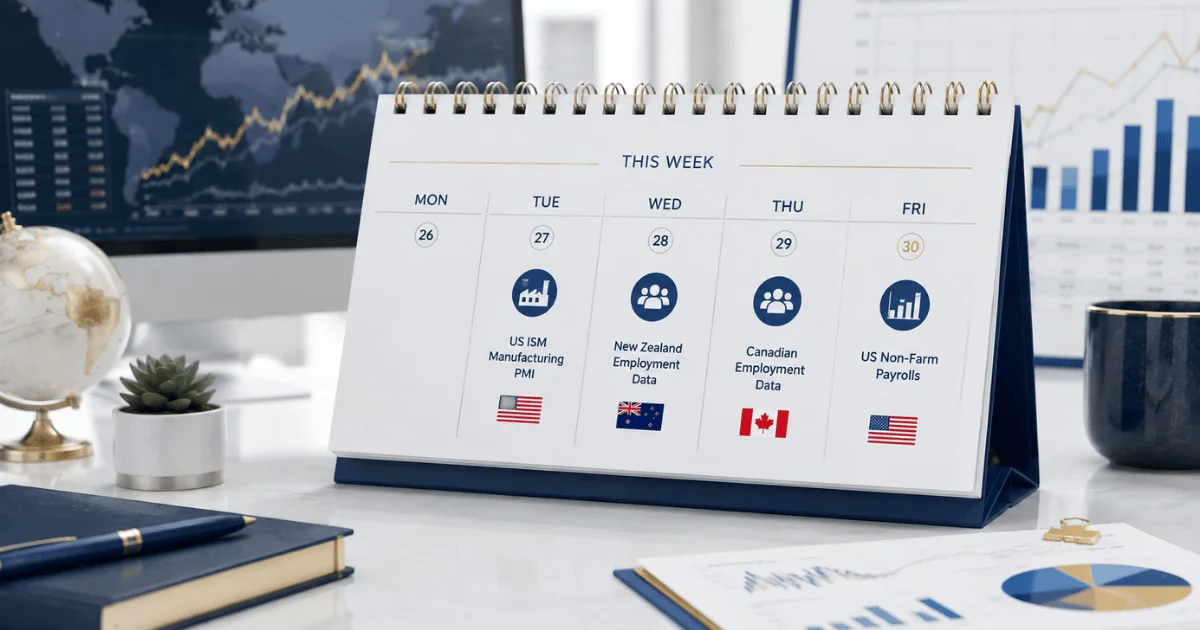
Traders should also watch upcoming US employment and inflation data. If the data shows slowing growth with sticky inflation, gold may remain supported because markets will worry about stagflation and policy mistakes.
If the data is strong and inflation remains hot, gold may become more volatile because the Fed may sound more hawkish.
If the data weakens sharply, gold may benefit from lower yields and safe-haven demand.
Gold Outlook After Today’s Rally
The short-term tone has improved for gold after today’s strong move.
Buyers have shown that they are willing to step in when macro uncertainty rises. The rally also confirms that gold remains sensitive to safe-haven flows even when central banks sound hawkish.
However, traders should not ignore the yield risk.
If Fed officials continue pushing a tighter-policy message and Treasury yields rise, gold may struggle to extend the rally in a straight line.
The stronger bullish setup for gold would require:
A softer Dollar
Lower Treasury yields
Weak US data
Higher geopolitical risk
Continued risk-asset volatility
Safe-haven buying into the weekend
The bearish risk would come from:
A stronger Dollar
Higher yields
Hot US inflation data
Strong labour-market numbers
Reduced geopolitical tension
Profit-taking after the sharp rally
BonusPips View
Gold’s long run up today was not just a technical move.
It was a macro-driven safe-haven rally built on policy uncertainty.
Fed’s Schmid reminded markets that inflation is still too high and that policy may need to stay tight. BOJ minutes added another layer of global rate uncertainty by pointing toward rising inflation risks and continued rate hikes.
This created a nervous market environment where traders preferred gold over risk assets.
The key message is simple:
Gold is rising because markets are not only afraid of war risk, but also afraid that central banks may be forced into tougher policy decisions while growth conditions remain uncertain.
For now, gold remains supported as long as safe-haven demand, Dollar softness and policy uncertainty remain in place.
But the next major test will come from Treasury yields and upcoming US data.
If yields stay soft, gold can continue higher.
If yields rise aggressively, today’s rally may turn into a profit-taking zone.


0 Comments