
Gold Climbs as Markets Price in US-Iran Peace Deal and Softer Dollar
Gold prices continued to strengthen early Thursday, with XAU/USD trading above the $4,700 level and holding near one-week highs as markets increasingly price in the possibility of a diplomatic breakthrough between the United States and Iran.
The rally in Gold is being driven less by panic and more by shifting expectations around the US Dollar, inflation, interest rates, and global risk sentiment.
Markets Turn Optimistic on Possible US-Iran Agreement
Investor sentiment improved significantly after reports suggested that the United States and Iran may be close to reaching a 14-point memorandum of understanding aimed at reducing tensions and opening the door for broader negotiations.
According to reports, the proposed framework could include:
* A temporary suspension of Iranian nuclear enrichment
* Potential sanctions relief
* Restoration of smoother shipping movement through the Strait of Hormuz
Iran later confirmed it was reviewing the proposal, further increasing hopes that both sides may be moving toward de-escalation.
This development has become one of the biggest drivers across global markets this week.
Why a Peace Deal Is Supporting Gold
At first glance, easing geopolitical tensions would normally reduce safe-haven demand for Gold.
However, the current market reaction is being driven by a different mechanism.
The key factor is the sharp weakening in the US Dollar.
As hopes for peace increased:
* Oil prices pulled back
* Inflation fears eased
* Expectations for aggressive Fed policy weakened
This caused the US Dollar to lose the gains it had built during the US-Iran conflict.
Since Gold is priced in Dollars, a weaker USD generally makes Gold more attractive for global investors.
That is why Gold has remained supported even as broader market risk sentiment improves.
Oil Prices and Inflation Expectations Are Shifting
One of the most important parts of the proposed US-Iran framework is the possibility of restoring smoother maritime traffic through the Strait of Hormuz.
The Strait remains one of the world’s most critical oil transport routes.
If tensions continue easing:
* Oil supply concerns could decline
* Energy prices may stabilize further
* Global inflation pressure may cool
Markets are now beginning to believe that the recent energy shock may not become a long-term inflation problem.
This matters directly for Federal Reserve expectations.
Fed Expectations Begin to Shift Again
Over the past several weeks, rising oil prices and geopolitical uncertainty pushed investors to believe the Federal Reserve would keep interest rates higher for longer.
Now that narrative is beginning to soften.
Markets are increasingly considering the possibility that:
* Inflation pressures may ease again
* The Fed may eventually resume rate cuts later this year
* Monetary policy may become less restrictive over time
This has weakened Treasury yields and reduced support for the US Dollar, helping Gold regain momentum.
US Labor Market Data Remains Critical
Even with geopolitical headlines dominating the market, economic data remains extremely important for Gold’s next move.
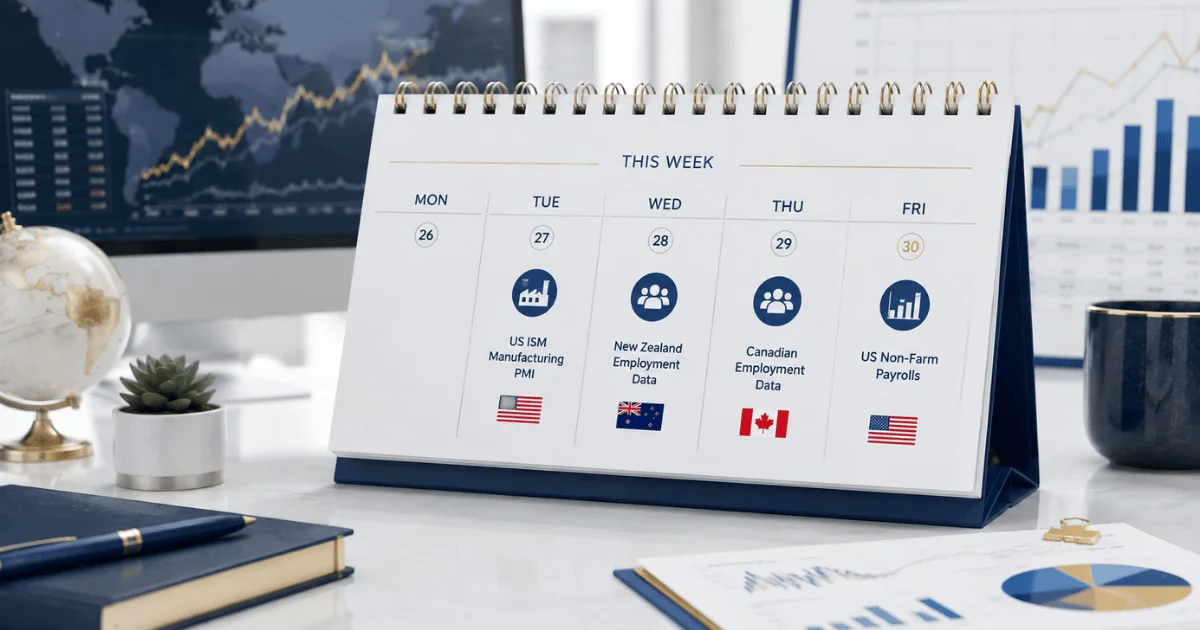
Traders are now heavily focused on Friday’s US Nonfarm Payrolls (NFP) report.
Current expectations are:
* Around 60,000 new jobs added in April
* Down sharply from March’s 178,000 gain
* Unemployment rate expected to remain at 4.3%
The employment report could significantly influence Federal Reserve expectations.
ADP Data Already Signals Some Strength
On Wednesday, the ADP employment report showed that:
* US private payrolls rose by 109,000 jobs
* Markets expected 99,000
* March figures were revised lower to 61,000
The stronger-than-expected ADP data suggests the US labor market still remains relatively resilient despite slowing momentum.
This creates an important balancing act for Gold traders:
* Weak labor data could boost Gold further by increasing rate cut expectations
* Strong labor data could temporarily pressure Gold by supporting the Dollar and yields
Why Gold Remains Firm Despite Risk-On Sentiment
Usually, stronger stock markets and improving geopolitical conditions reduce Gold demand.
But the current environment is unusual because:
* The Dollar is weakening faster than safe-haven demand is fading
* Markets are repricing Fed expectations
* Inflation fears are easing
This combination is allowing Gold to rise alongside risk assets.
In simple terms:
Gold is currently trading more like a Dollar and interest rate story than a fear trade.
What Traders Should Watch Next
Gold traders should now monitor three major developments closely:
1. US-Iran Headlines
Any confirmation or setback in negotiations could create major volatility across Gold, Oil, and the Dollar.
2. US Nonfarm Payrolls (NFP)
A weaker jobs report could strengthen expectations for future Fed cuts and support Gold further.
3. Federal Reserve Expectations
Markets remain highly sensitive to changes in inflation and rate expectations.
Any shift in Fed messaging could quickly move Gold prices.
Final Takeaway (Bonuspips View)
Gold’s current rally is being driven by a combination of:
* A weaker US Dollar
* Falling inflation fears
* Expectations of easing geopolitical tensions
* Shifting Federal Reserve expectations
The market is increasingly moving away from a war-driven narrative and toward a monetary policy narrative.
That transition is extremely important.
If the US-Iran peace process continues progressing and economic data starts softening, Gold could remain well supported even in a calmer geopolitical environment.
However, traders should remain cautious heading into the NFP report and upcoming Fed expectations.
At the moment:
Gold is no longer reacting mainly to fear — it is reacting to the possibility of lower rates and a weaker Dollar ahead.


0 Comments